Single-origin tea, direct from the village.
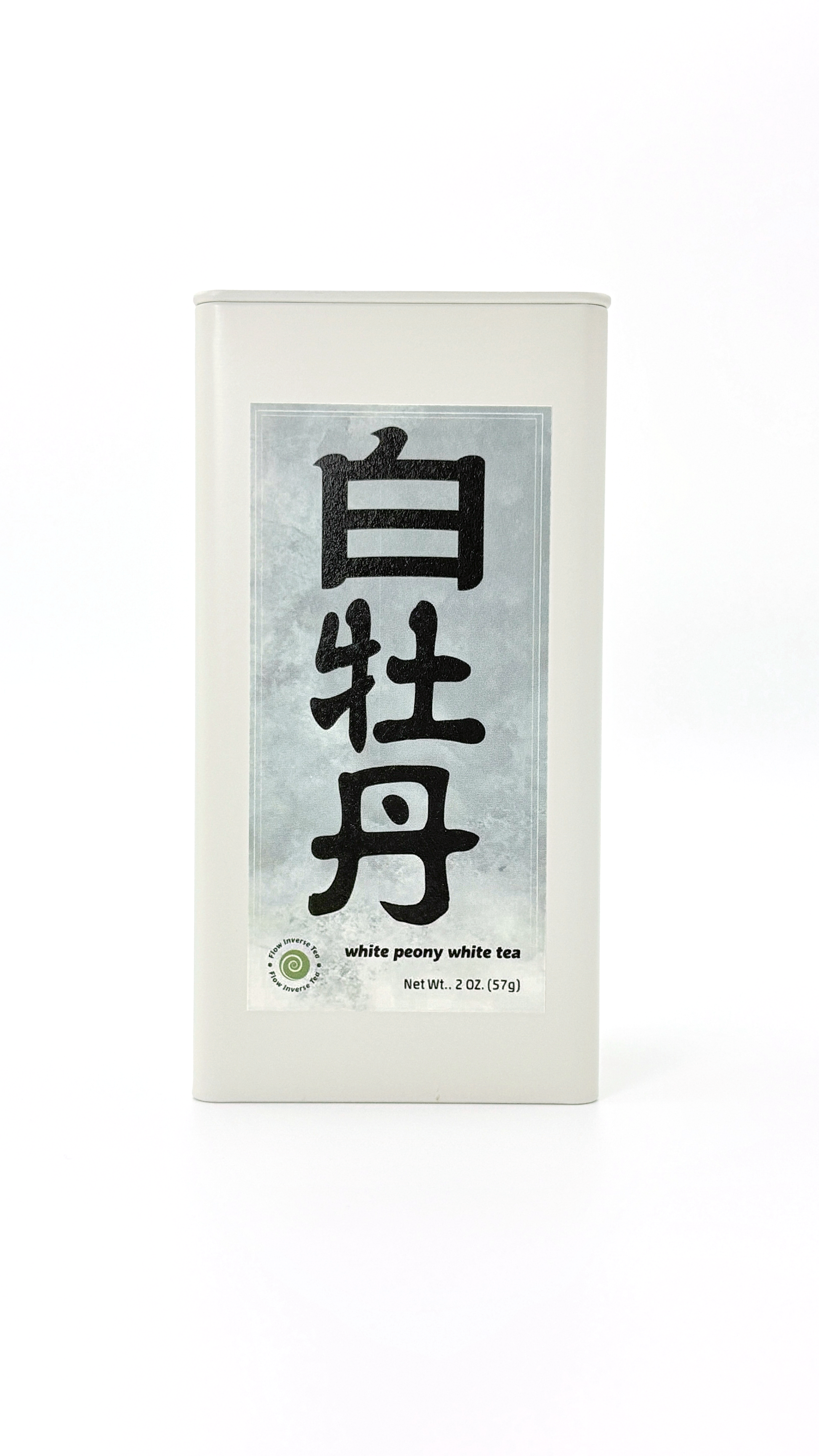
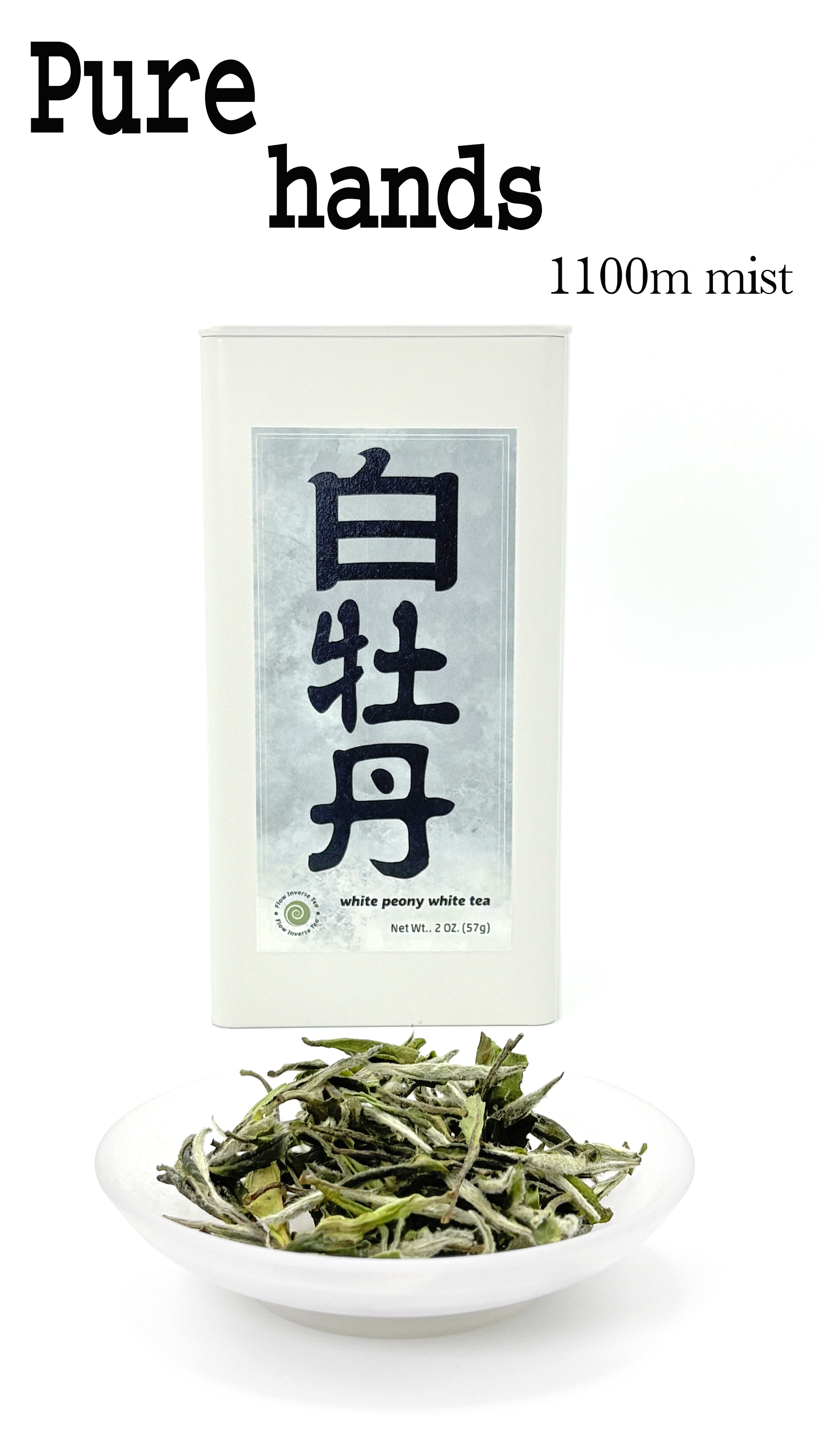
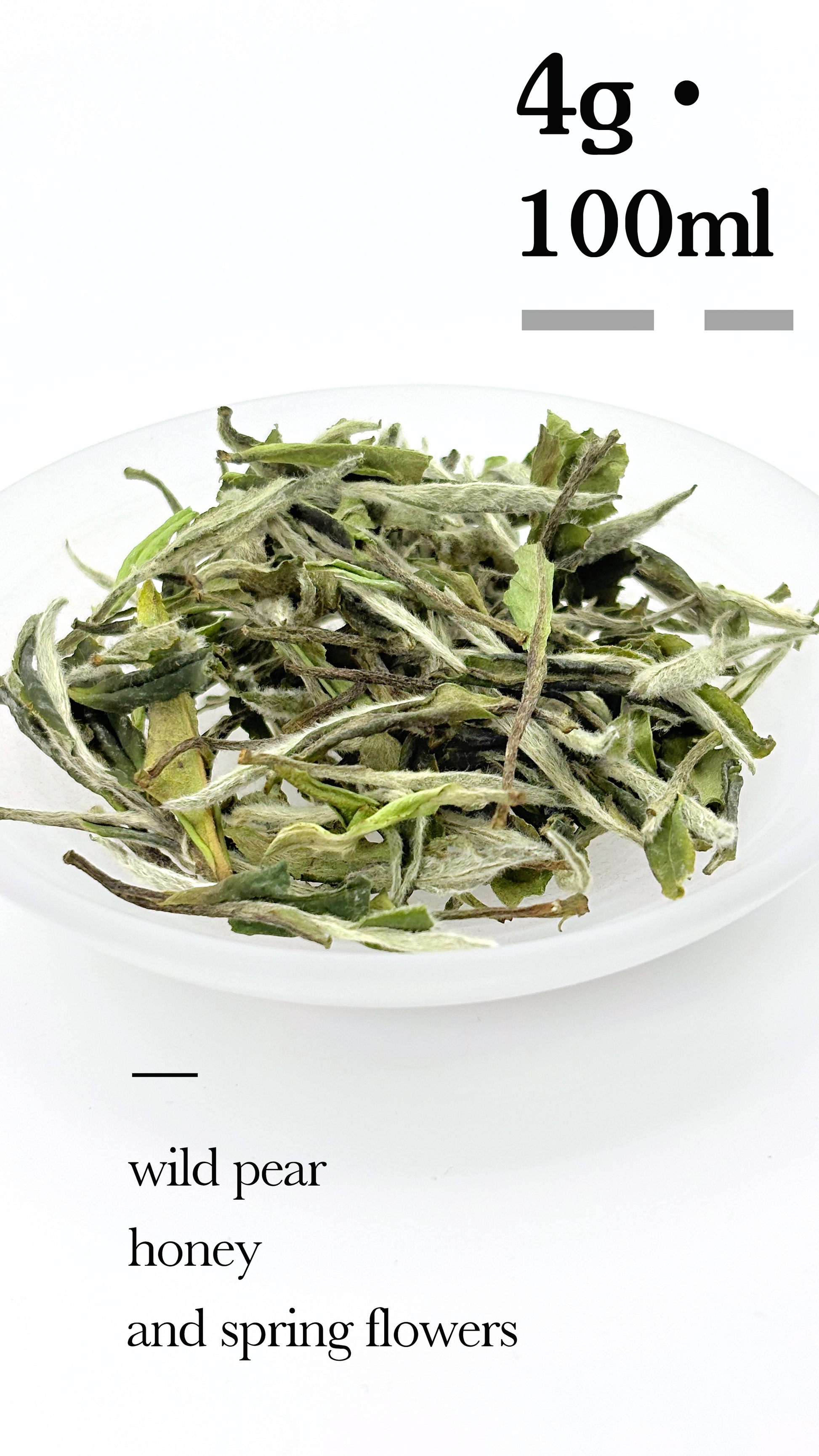
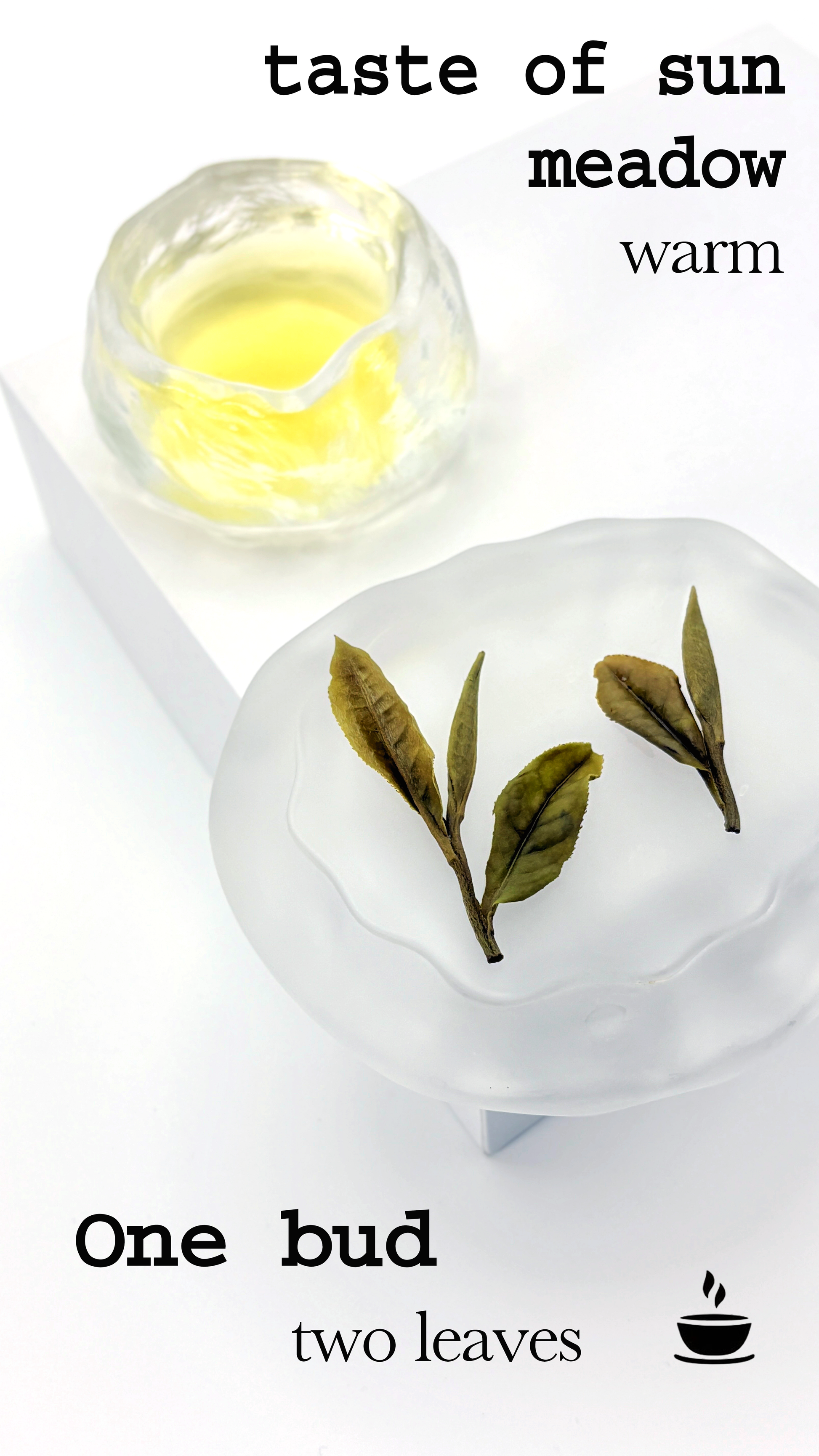



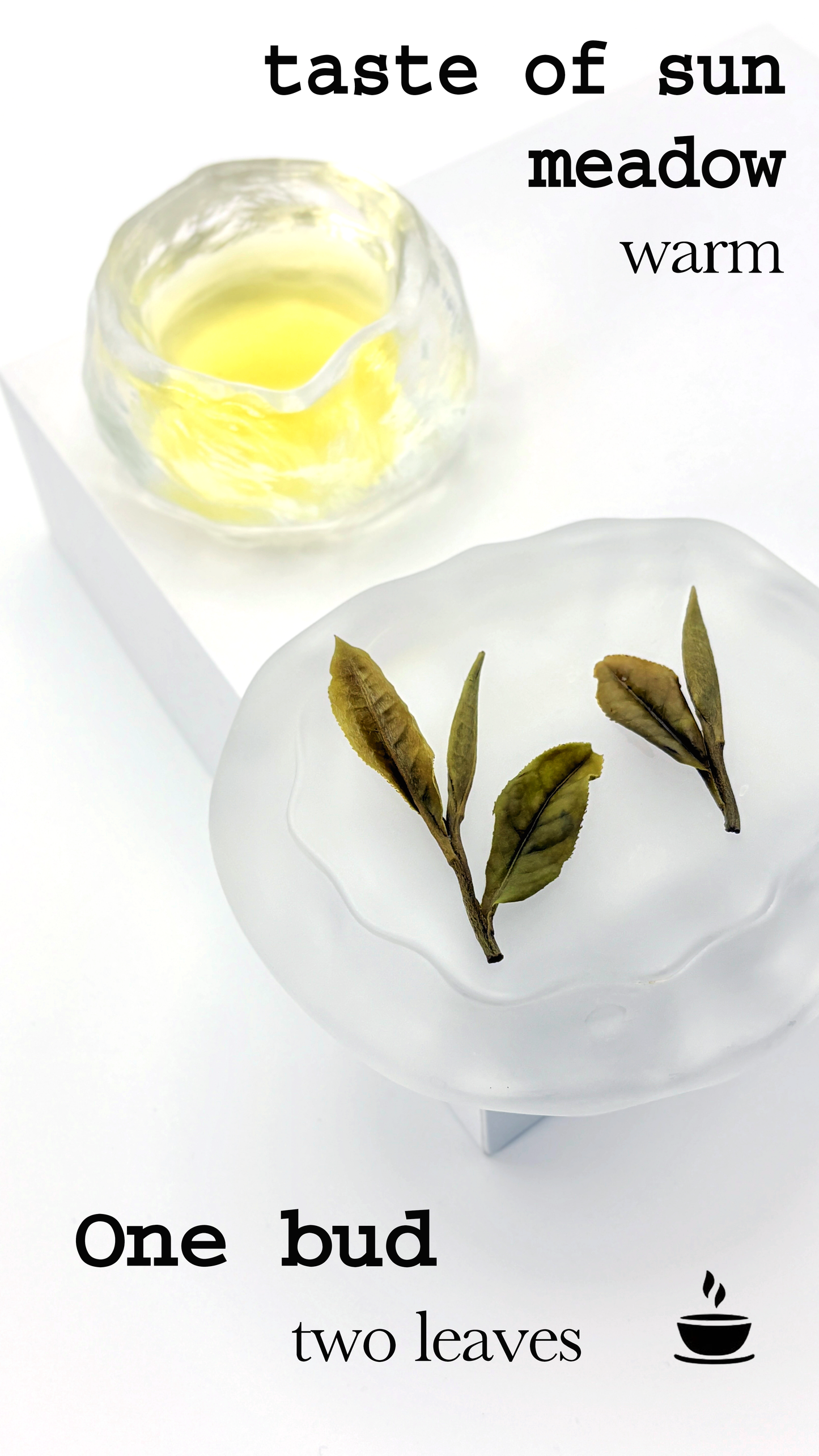




What makes this one different
"Not a loud tea. More the kind you keep drinking without thinking, then realize your whole body has slowed down."
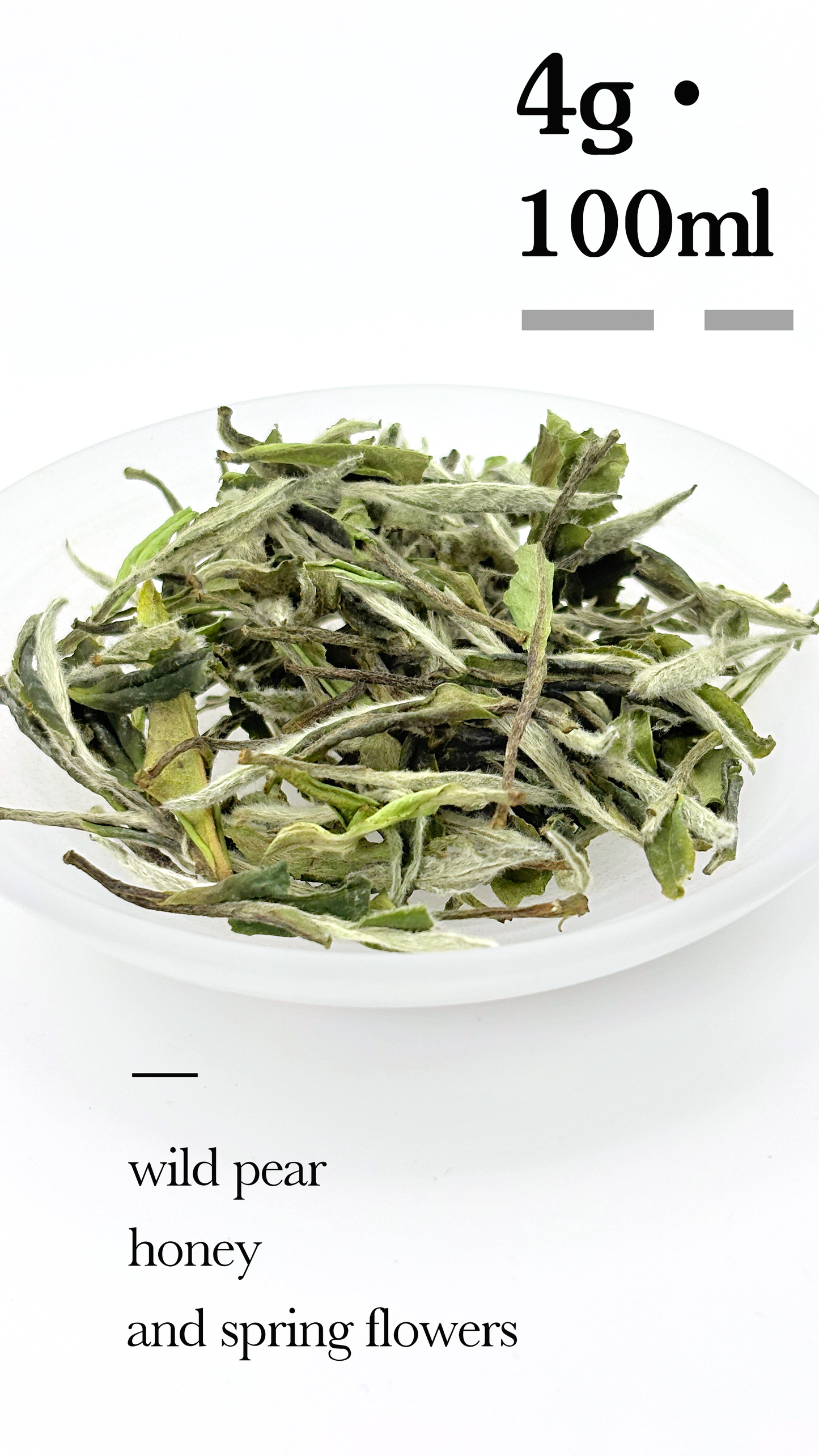
This White Peony feels like early autumn on a hillside. The sun is still out, but the air has started to cool. The first thing you get is that fresh, green sweetness. A little like dry hay, a little like damp grass after the shade rolls in. Then it softens. Cream. Almond. Ripe honeydew and peach, quiet and round, with just a small lift of citrusy acidity to keep it clean. The finish settles into pine wood and a light cinnamon warmth.
Flavor profile
What happens in the cup
The full picture in one cup. Cool damp grass on the nose, then cream and almond through the middle, then fruit. Muscat, honeydew, peach, even a little lemon brightness. Honey sweetness first, creamy roundness, then soft pine and cinnamon at the close.
The tea pulls tighter. Herbal honeysuckle and wet grass come forward, pine and cinnamon move closer to the front. The honey note becomes returning sweetness. It comes back after you swallow, not while you sip.
Quieter now. The honeysuckle herbal note stays, but the cooling edge fades. Honey sweetness moves forward, the woody spice pulls back. This is where the tea stops performing and just sits with you.
Who grows this tea
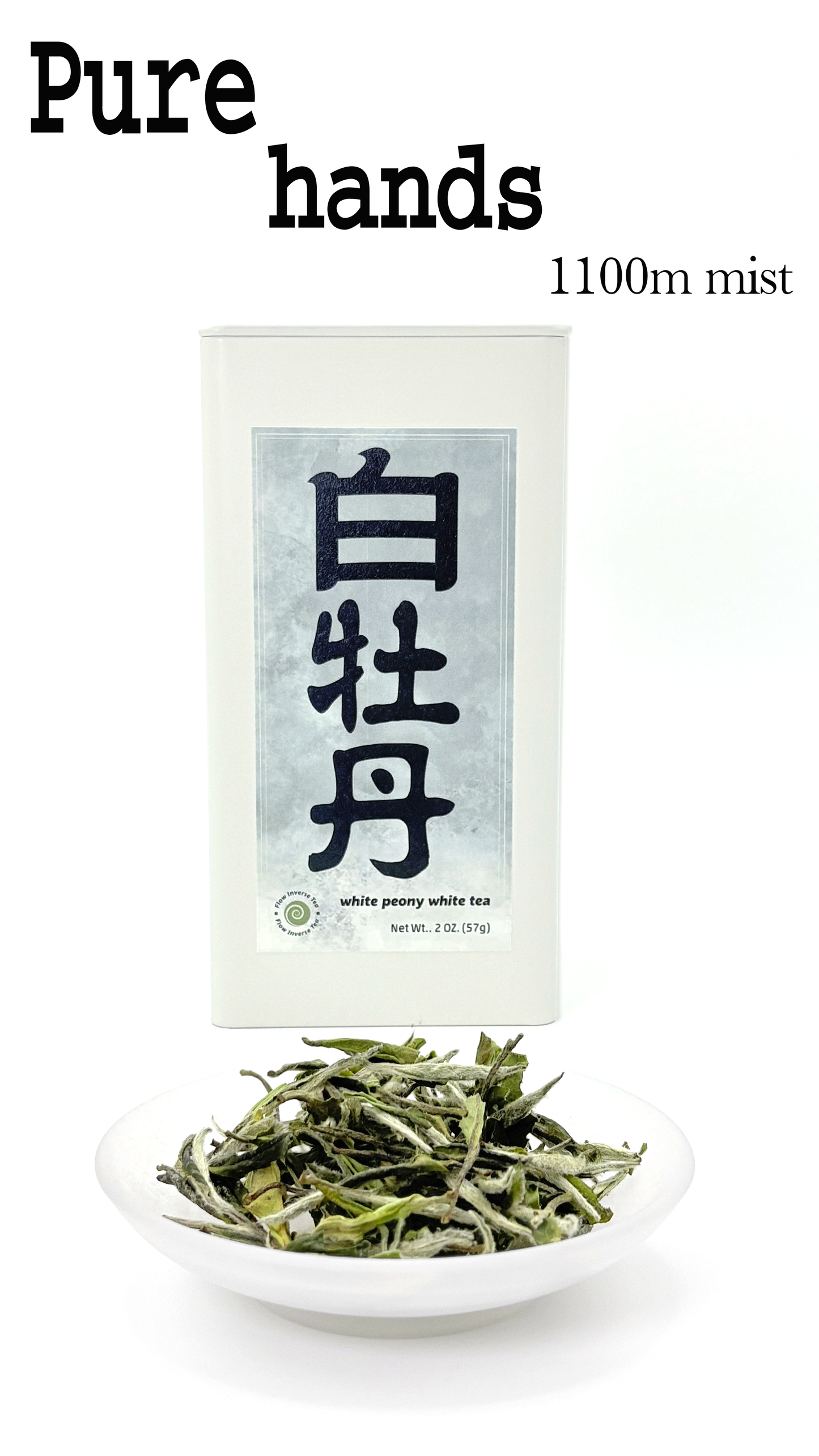
I'm June. This White Peony comes from our Flowit Garden, high above Wildbrook Village in Enshi, and from the women in our village who pick it leaf by leaf every spring. We grow the way small tea families here always have. By hand, by season, on rainfall, no shortcuts. When you buy this, you are buying it from the person who grew it, not from a chain of traders who never saw the mountain. That is the whole point of what we do.

Made by hand, by me and our cooperative
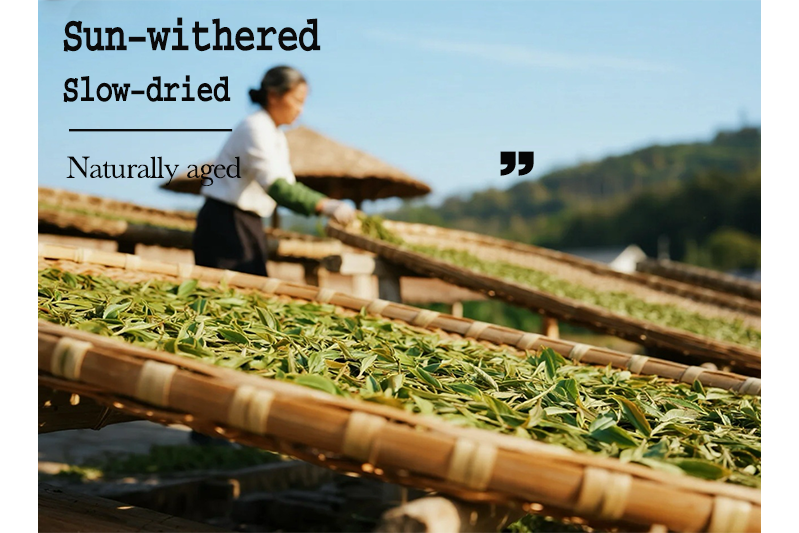
I made this white tea myself, together with the women in our Wildbrook cooperative. White tea is mostly patience. We wither the spring leaf slowly, reading it by feel and smell to know when to stop, then dry it gently. No kill-green, no rolling. Getting a white tea this clean and sweet is about timing, not force. It is the tea I learned to make with my own hands, and we only get about 5 kilograms of it a year.
Perfect moments for this tea
How to brew
Keep the first few steeps quick to preserve clean sweetness and soft texture. Add about 5 seconds with each later steep to let the fruit notes and gentle woody warmth open up gradually.
Organic, and independently tested
This tea is organic, grown without synthetic pesticides or fertilizers, on mountain rainfall alone. We farm all our tea the same way. To show what that means, we sent our Enshi Yulu green tea, this spring's harvest, grown under the same organic care, to Eurofins, one of the largest food-testing labs in the world, screened for roughly five hundred pesticides using the European reference method (EN 15662). Every one came back non-detect. We can tell you exactly which plot the leaf came from and who made it. Wholesale buyers can ask us for the test summary.