Single-origin tea, direct from the village.
Enshi

Regular price $39.99 USD
Regular price Sale price $39.99 USD
Sale Sold out
Shipping calculated at checkout.
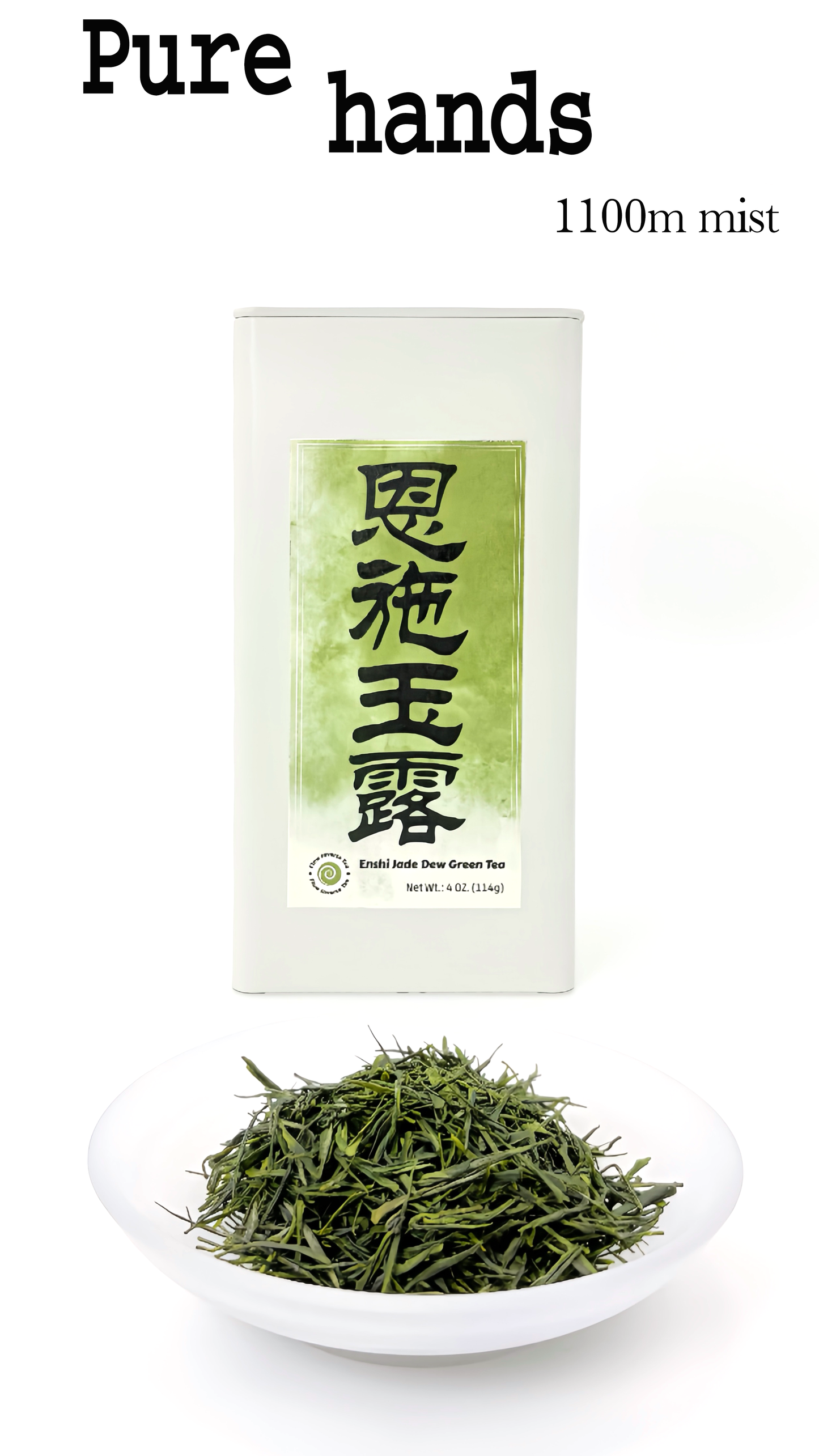
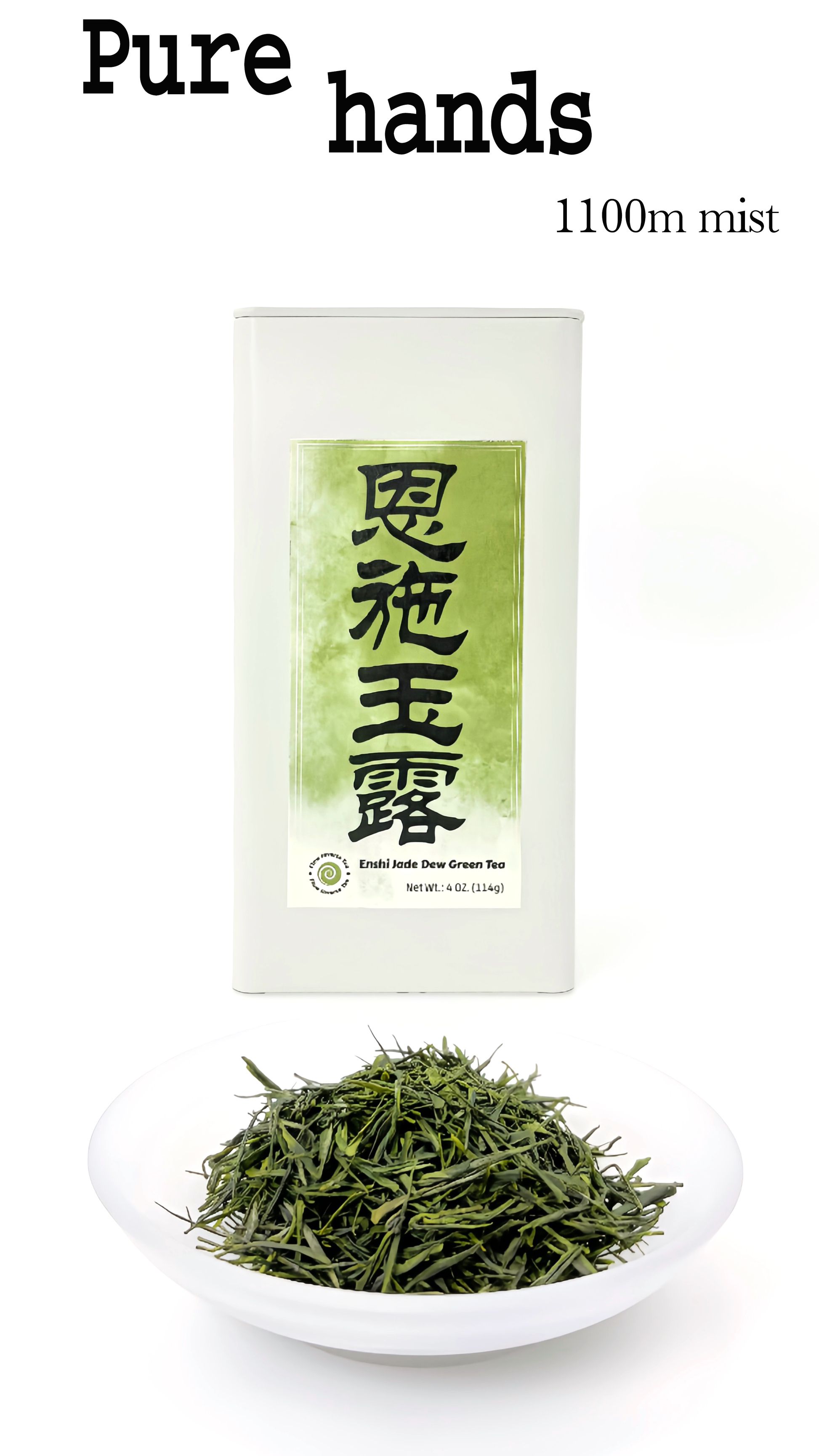
HIGH-MOUNTAIN 1,100 M
SELENIUM-RICH SOIL
ENJOY HOT OR COLD
NATURALLY GROWN
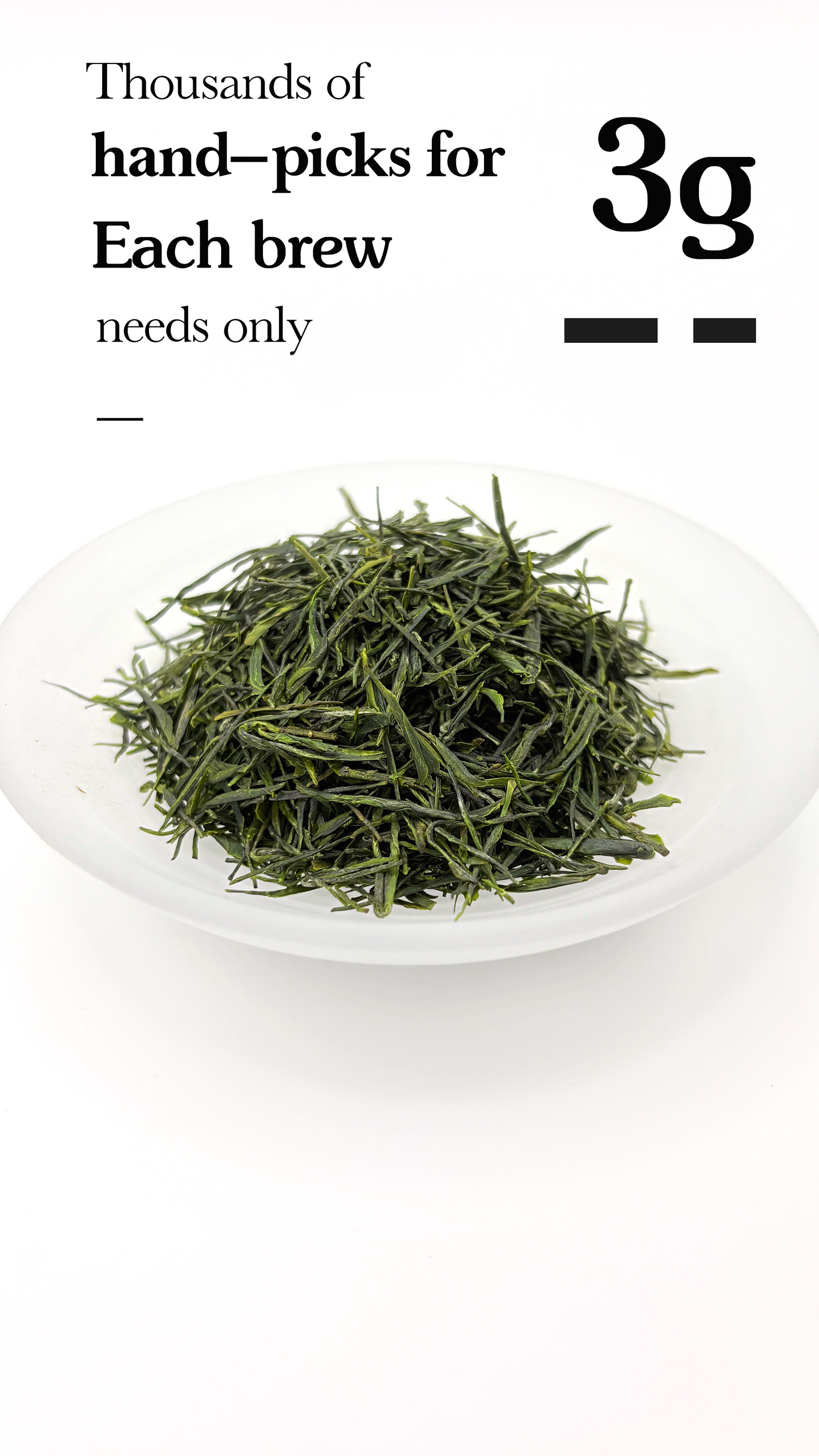
HAND-PICKED
SINGLE ORIGIN
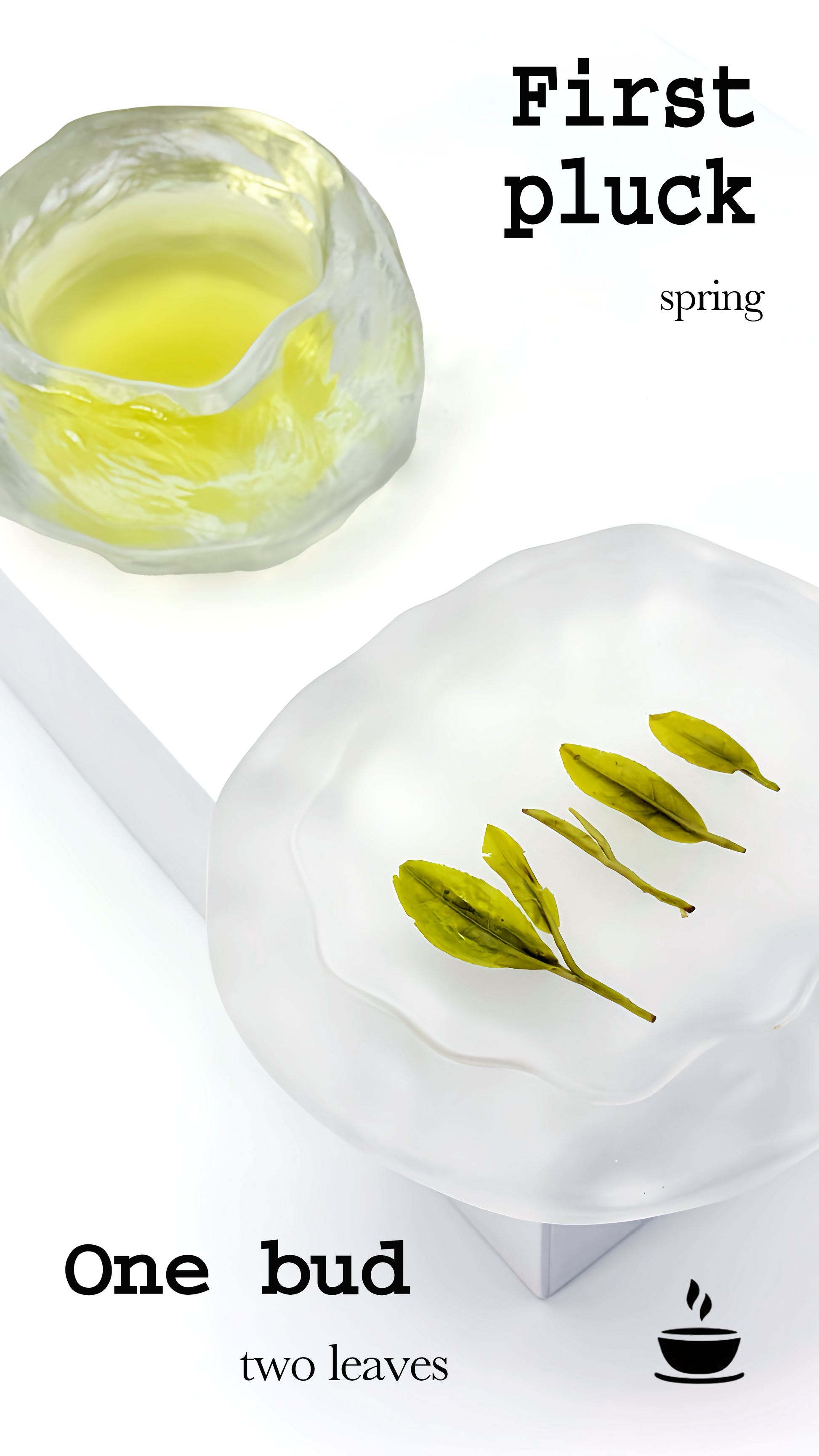
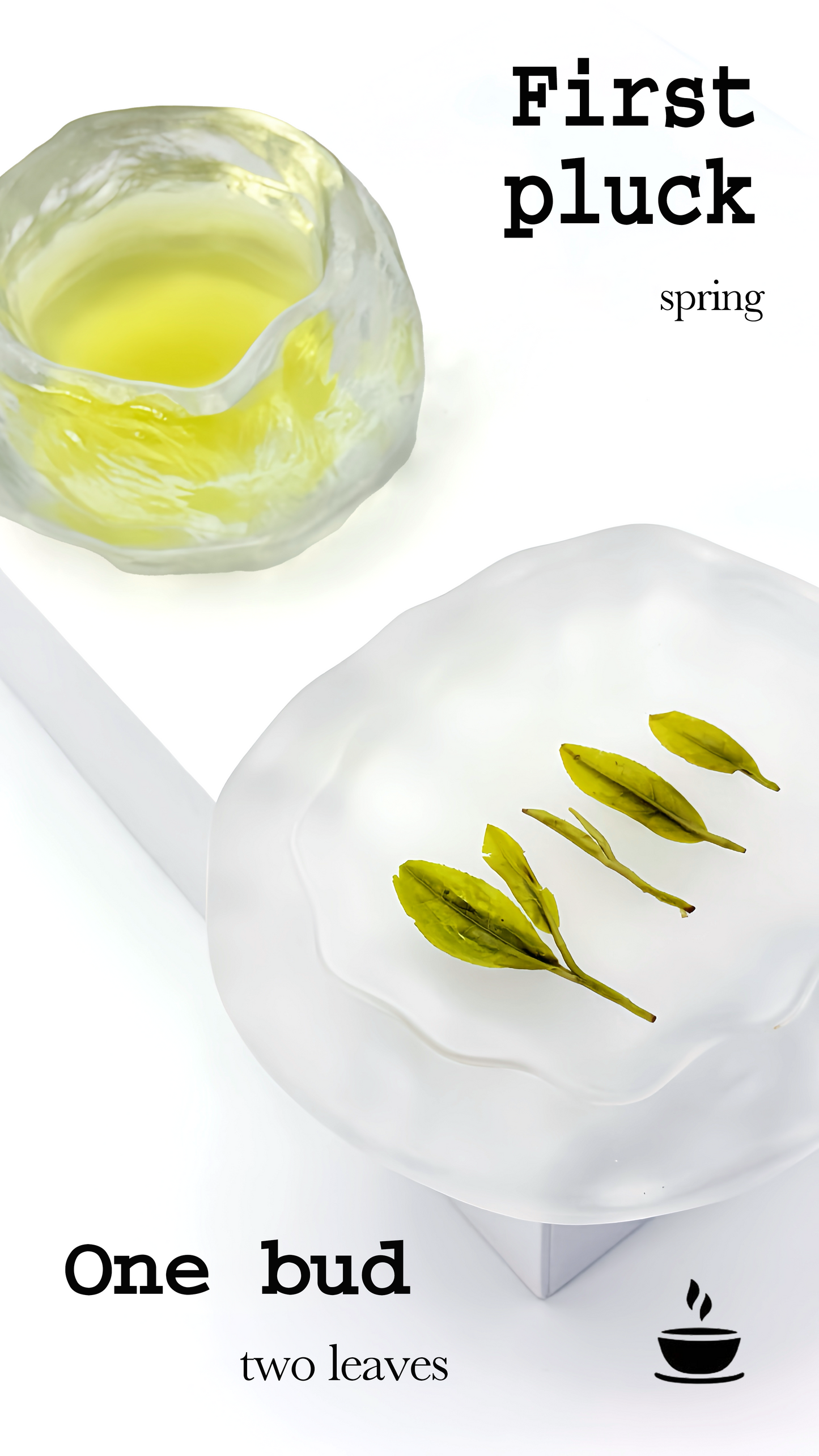
SEASONAL FIRST HARVESTS
PURE · NEVER BLENDED
Weight
Year
Quantity
View full details
🌱 Village Cooperative
🚫 No Pesticides
🤲 Profit Sharing
🤝 Women-Owned

"The first sip is smooth and brisk, like a spring morning when the sun has just started warming the air, but the leaves are still holding onto moisture."

This Enshi Yulu tastes like a spring morning when the sun has just started warming the air, but the leaves are still holding onto moisture. The first sip is smooth and brisk. You get that fresh green feeling right away, almost like young spinach. Then the umami comes in. Seaweed, nori, that slightly wet, savory edge. After that, it softens. Butter. Chestnut. Sweet corn. And at the end, a violet-like floral note that stays light, cool, and clean. It starts bright, then turns rounder. That shift is the part I keep coming back to.

Flavor profile

Umami

90%
Marine / Seaweed

70%
Vegetal

40%
Floral

40%
Sweetness

40%

What happens in the cup


First steep

Full and smooth. Nori hits first, then butter, chestnut, and sweet corn start opening up. A floral note rises in the back. Savory, sweet, and soft at the same time.


Second steep

The savory seaweed side goes deeper, almost saltier, with a slight bitterness that wasn't there before. Sweet corn pulls back while the floral note lifts more. Less easygoing than the first steep, but more interesting.


Third steep

Everything folds inward. The nori softens, sweet corn is lighter, and the liquor thins a little. A slight astringency shows. Still worth drinking. Just quieter, more pared down.

Who grew &made this tea

Zhang Jinke

Leaves in the village with no chemical and pesticides, the most traditional way to grow the tea then also the way to make it. 

Tree are Enshi local seed-grown Taizi tree tea grew around year of 1975. 

It's not those common green on the market.  So it would be one of the few green tea you can store for years and let it age.  Taste will change to raw Puer after 10 years aging. 

Jinke · 30+ years in traditional tea craft

He's recognized as one of Enshi Yulu's ten leading handcraft tea makers, a prefecture-level inheritor of the craft. As the youngest student of Yang(modern father of Enshi Yulu), he keeps improving. What changed this year: he extended the resting and hydrolysis stage during processing. Less bitterness, more sweetness, more of that clean umami. The kind of change that sounds small on paper but shows up fast in the cup.

Watch the full handcraft process, from leaf to finish.

Perfect moments for this tea

🌅
Quiet mornings
It wakes up your mouth before it wakes up your whole body. Light, savory, fresh. The kind of tea that gets you started without shoving you into the day.
🎯
When you need to focus
The umami and caffeine help you lock in, but the energy feels steadier than coffee. No jittery edge, no heavy bitterness sitting in your mouth.
🍽️
After dinner
Light enough to clear out the richness of a meal, warm enough to feel comforting. Your mouth feels cleaner again. Your body, too.

How to brew

3g
Leaf
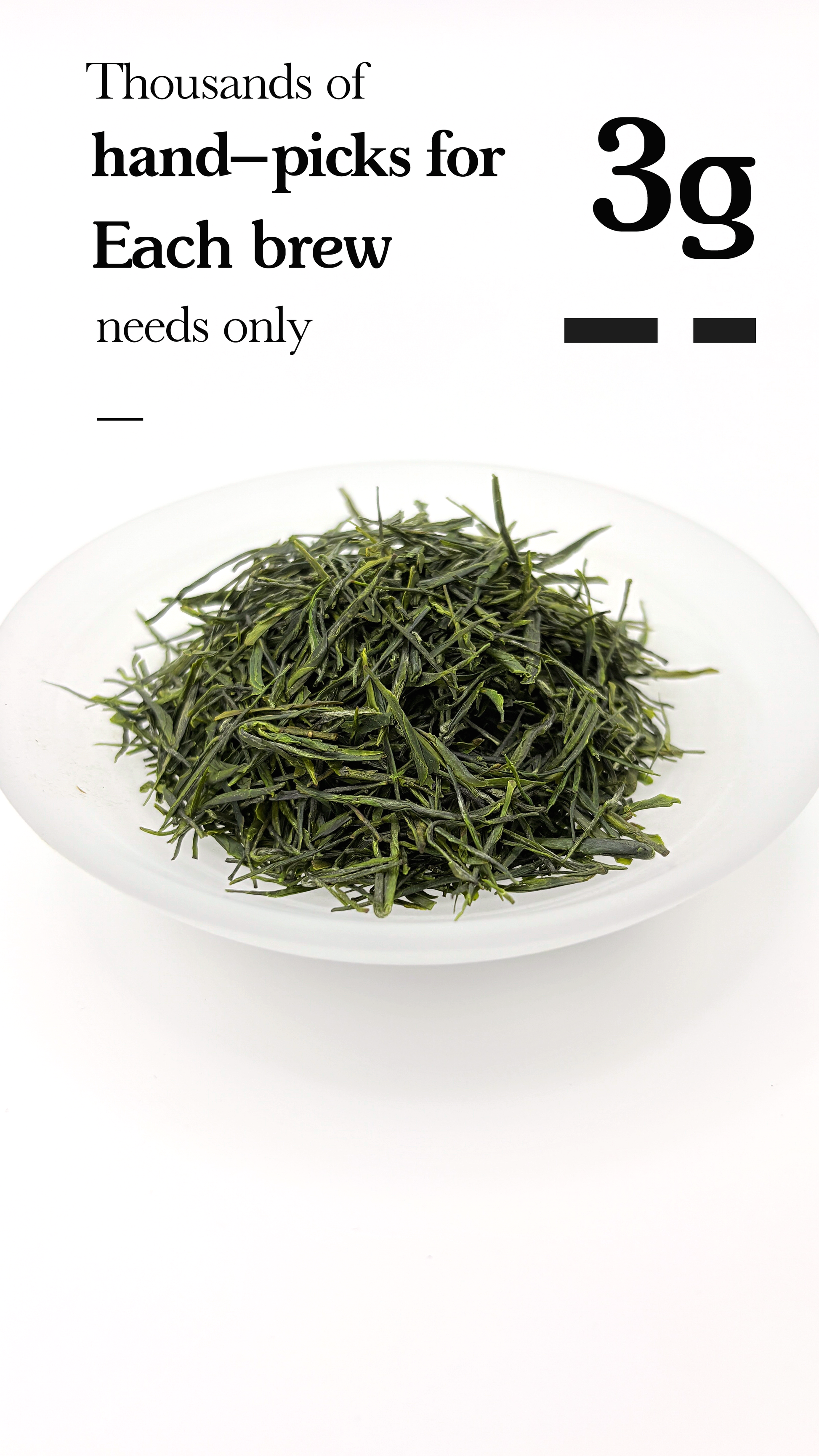
3g per 150ml
80°C
Water
80–85°C / 176–185°F
1m
Steep
1 minute
Resteep
Up to 3 times

Do not use boiling water. Above 85°C, this tea can turn bitter. If you don't have a thermometer, boil the water first, then let it sit for about 3 minutes before brewing.

Specifications

HarvestApril 2026
Elevation1,100m
CultivarEnshi local cultivar
ProcessingSteamed kill-green → moisture removal → first firing → rolling → second firing → shaping and polishing → final baking → hand sorting
FarmingNaturally grown, no fertilizer, no chemicals, nourished by natural rainfall
GardenMazhe Mountain, Tunbao Township, Enshi, Hubei, China
Cups per 50g~16 cups (3g per session)
Caffeine30–60 mg / 200ml

Common questions

Is this tea bitter?+
Not if you control the water temperature. Enshi Yulu is a steamed green tea, so it's naturally smoother and more refreshing than most pan-fired green teas. Keep the water around 80–85°C and don't use boiling water directly. Go above 85°C or steep too long, and you'll start to taste bitterness.
How is this different from regular green tea?+
The biggest difference is umami. This isn't your typical grassy green tea. It has a clear seaweed, nori, butter, and sweet corn character, all leaning into that brothy, savory direction. It drinks smoother and more slippery, and it has a distinctly "steamed green tea" identity that sets it apart. Also,  It's not those common green on the market.  So it would be one of the few green tea you can store for years and let it age.  Taste will change to raw Puer after 10 years aging. 
Can I cold-brew this tea?+
Yes, and it's usually excellent. Cold brewing amplifies the sweetness and umami while keeping bitterness very low. Try 5g in 500ml of cold water, refrigerated for 6–8 hours. The result is smooth, sweet, and clean.
Why does the second steep taste different from the first?+
That's completely normal. The first steep is usually the freshest and smoothest, with the nori and butter notes at their clearest. The second steep tends to push the umami deeper, and the floral side becomes more noticeable. It's not getting worse. Just shifting direction, showing you a different layer.
$20.99