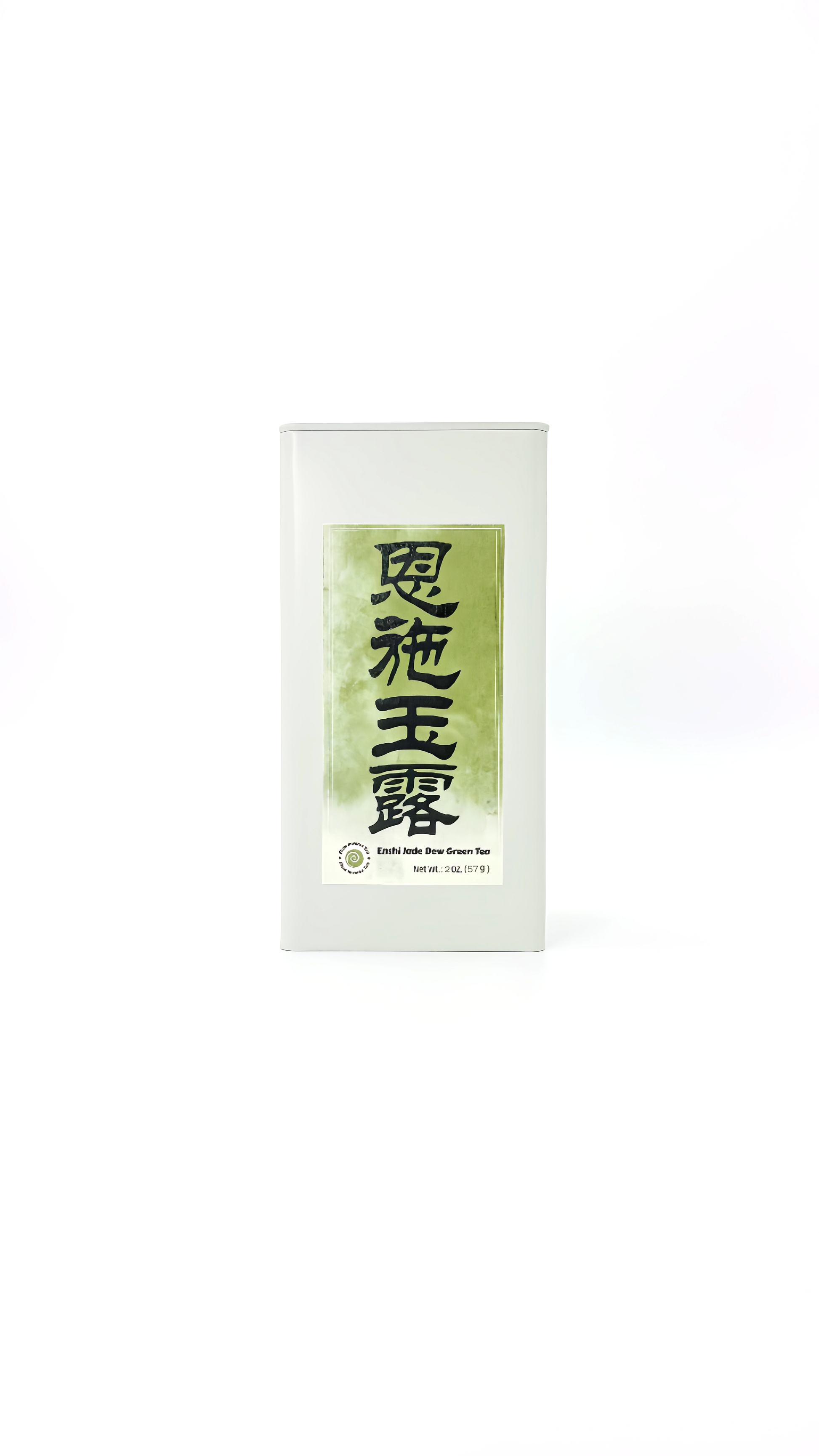
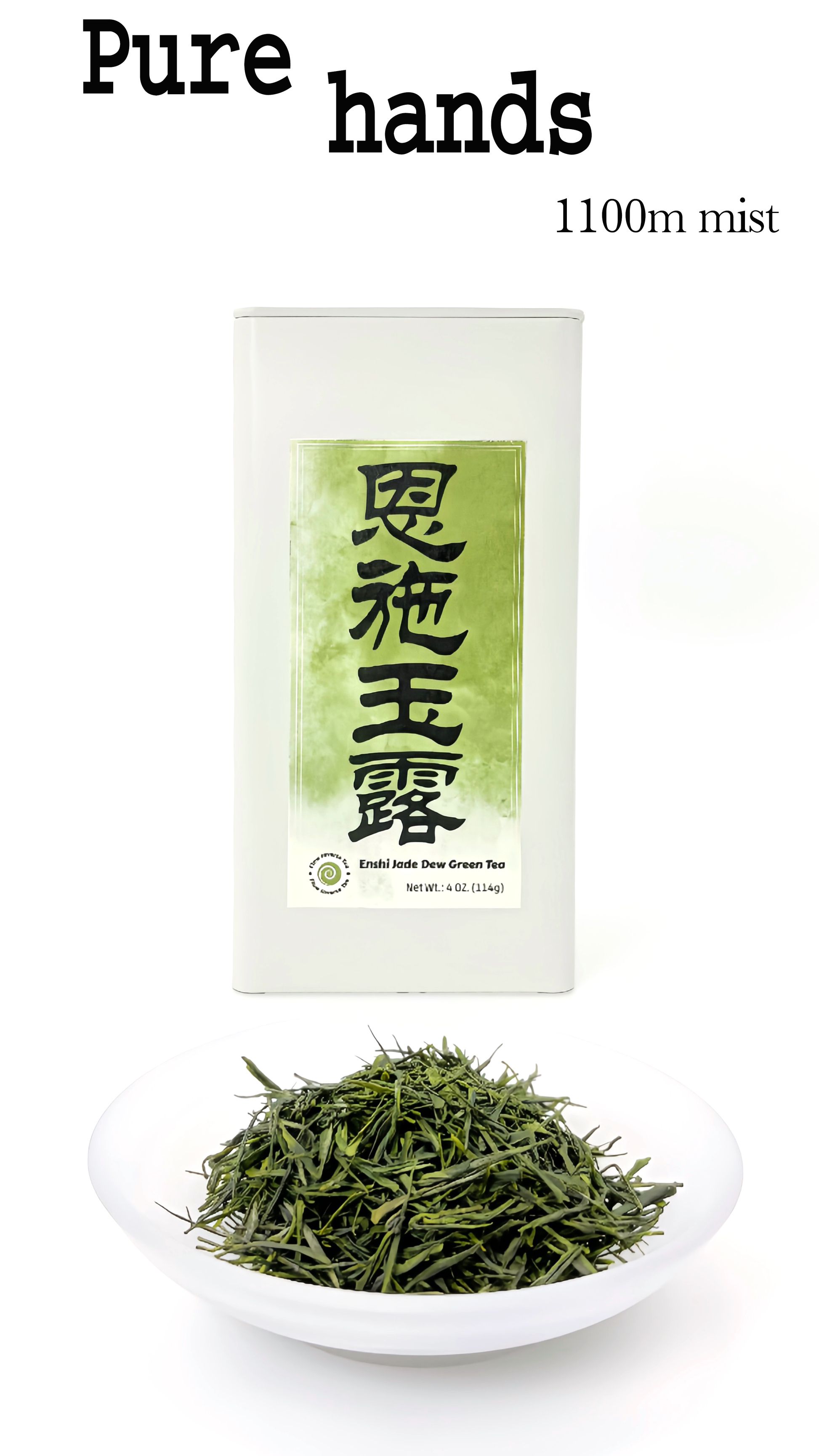
Single-origin tea, direct from the village.






What makes this one different
"The first sip is smooth and brisk, like a spring morning when the sun has just started warming the air, but the leaves are still holding onto moisture."
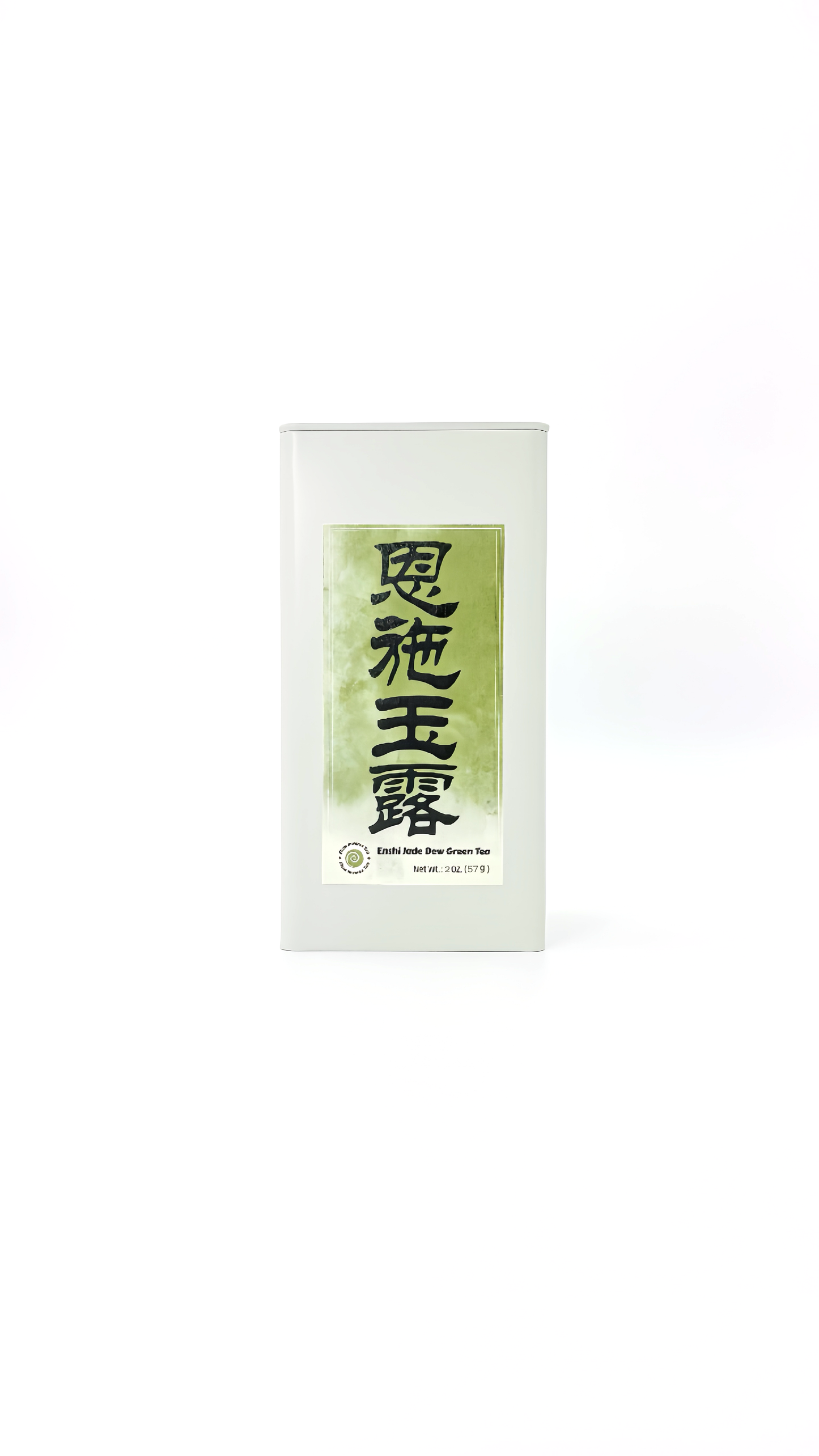
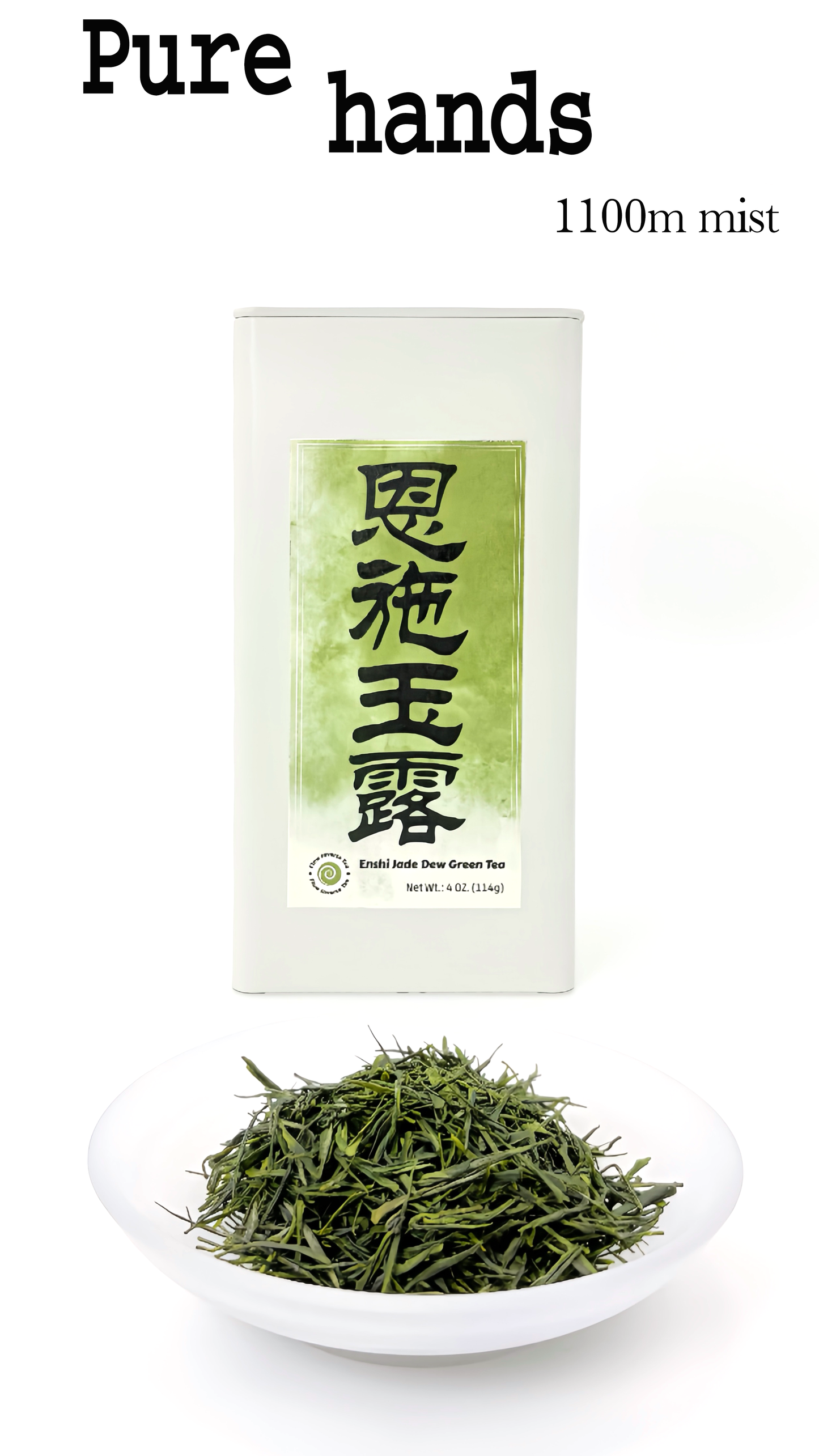
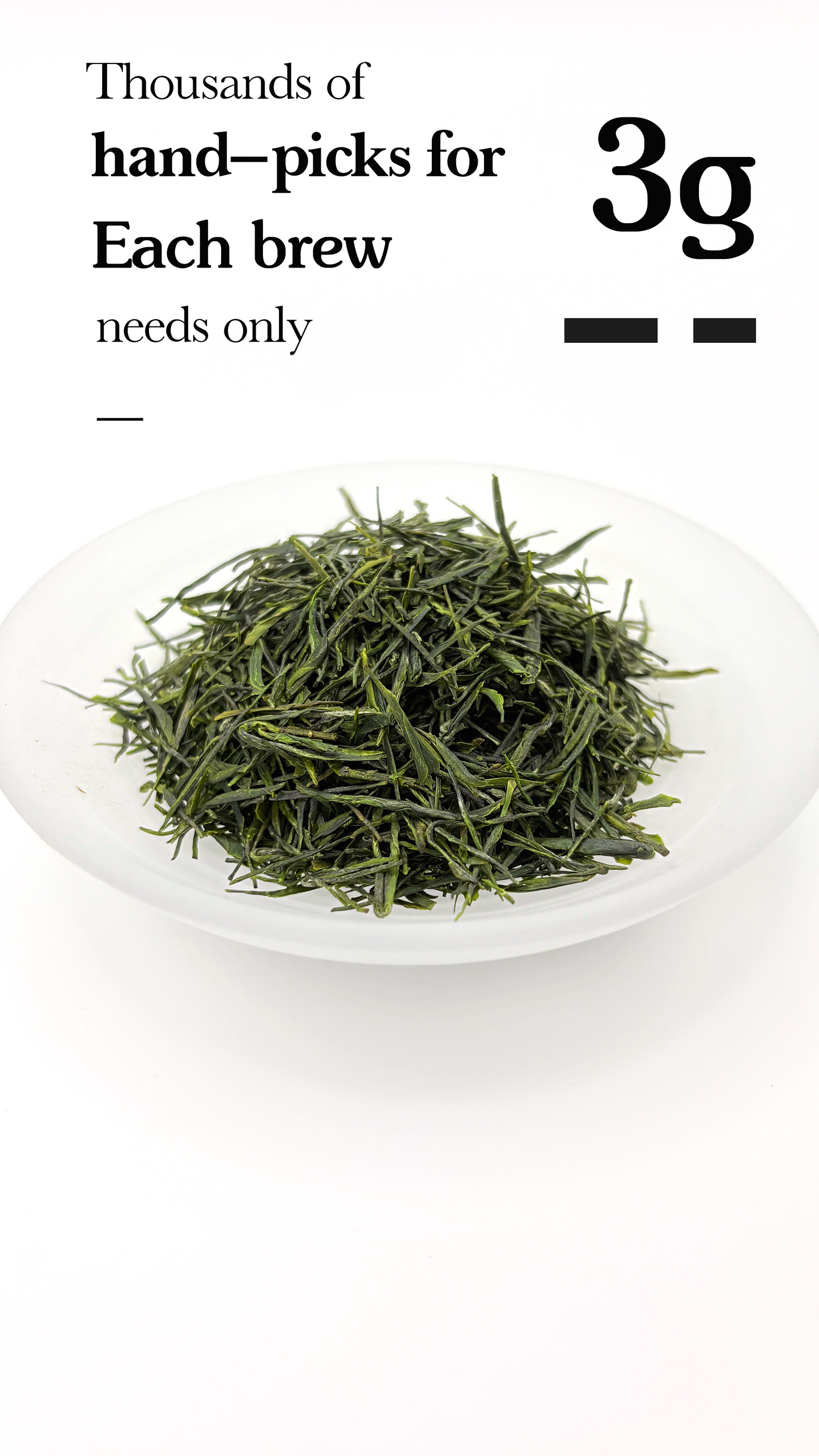
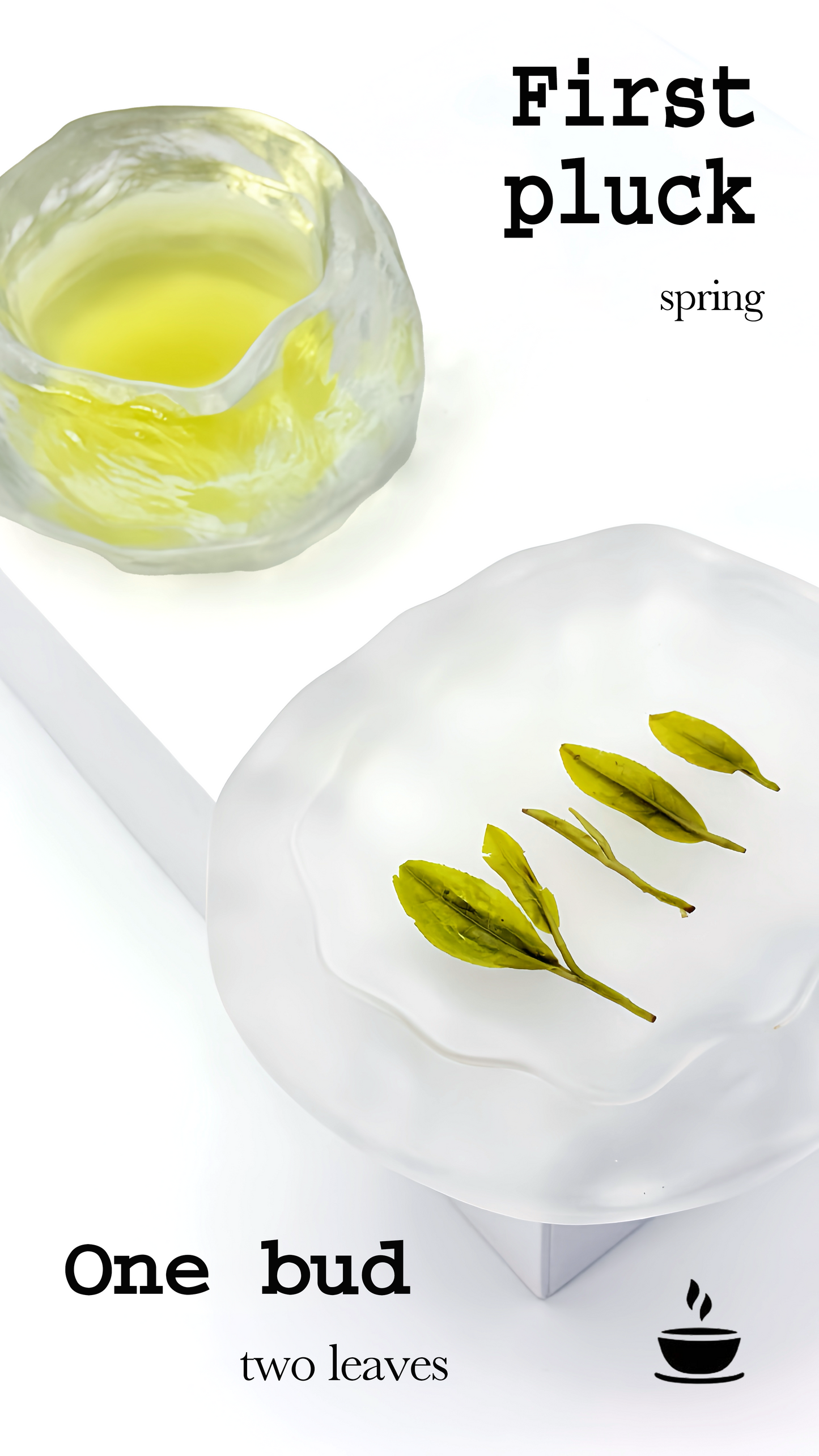
This Enshi Yulu tastes like a spring morning when the sun has just started warming the air, but the leaves are still holding onto moisture. The first sip is smooth and brisk. You get that fresh green feeling right away, almost like young spinach. Then the umami comes in. Seaweed, nori, that slightly wet, savory edge. After that, it softens. Butter. Chestnut. Sweet corn. And at the end, a violet-like floral note that stays light, cool, and clean. It starts bright, then turns rounder. That shift is the part I keep coming back to.
Flavor profile
What happens in the cup
Full and smooth. Nori hits first, then butter, chestnut, and sweet corn start opening up. A floral note rises in the back. Savory, sweet, and soft at the same time.
The savory seaweed side goes deeper, almost saltier, with a slight bitterness that wasn't there before. Sweet corn pulls back while the floral note lifts more. Less easygoing than the first steep, but more interesting.
Everything folds inward. The nori softens, sweet corn is lighter, and the liquor thins a little. A slight astringency shows. Still worth drinking. Just quieter, more pared down.
Who grows this tea
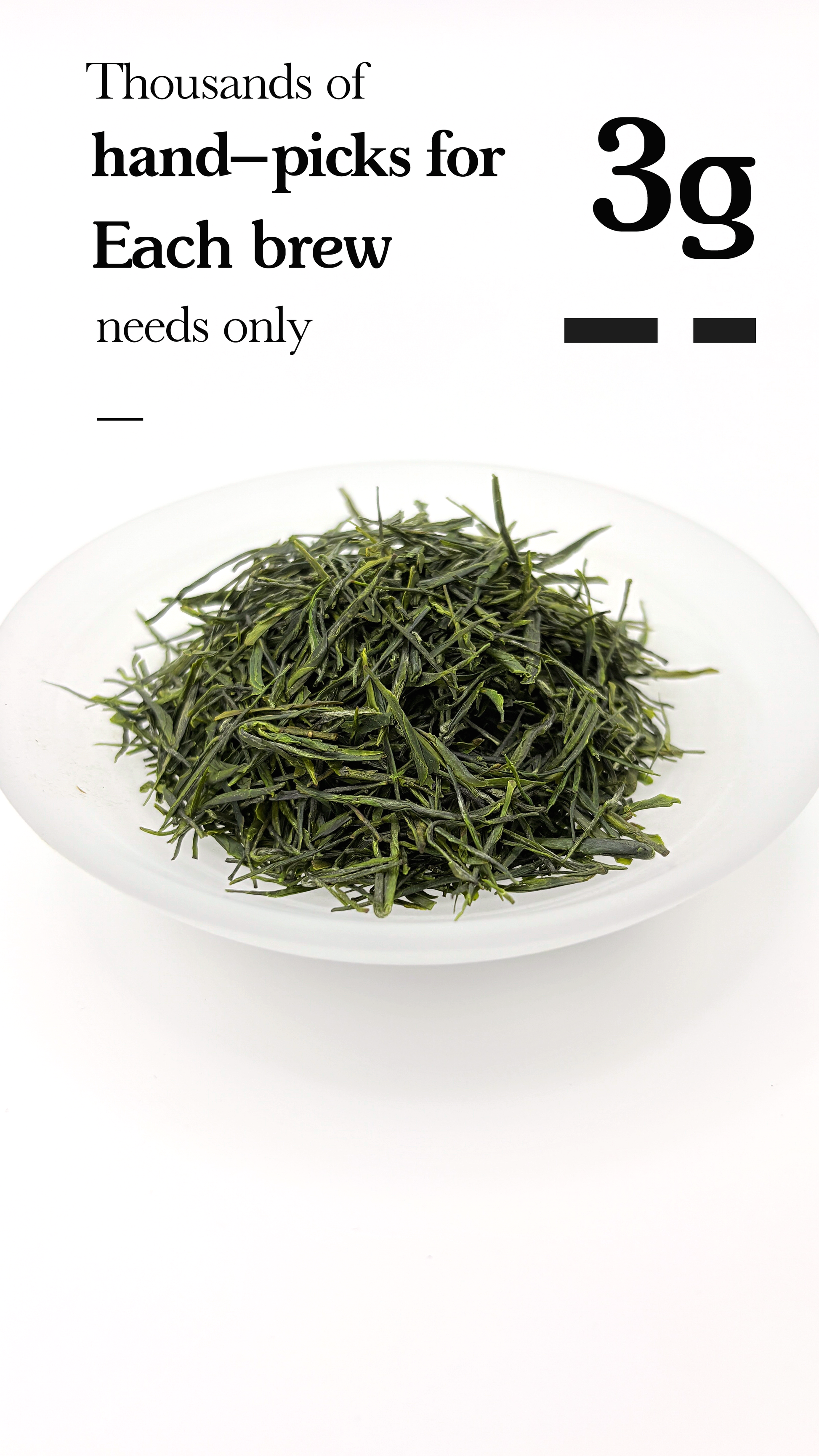
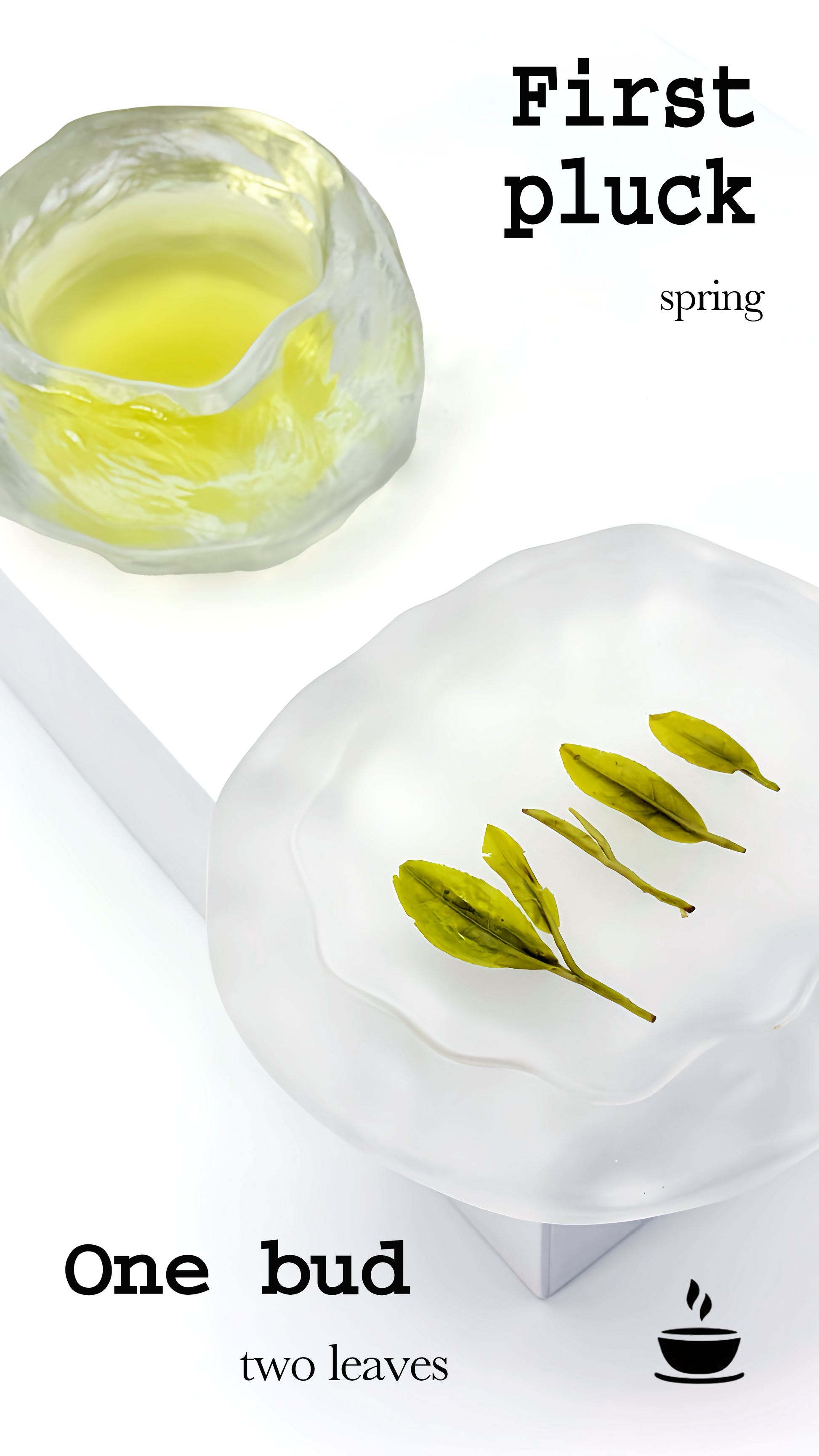
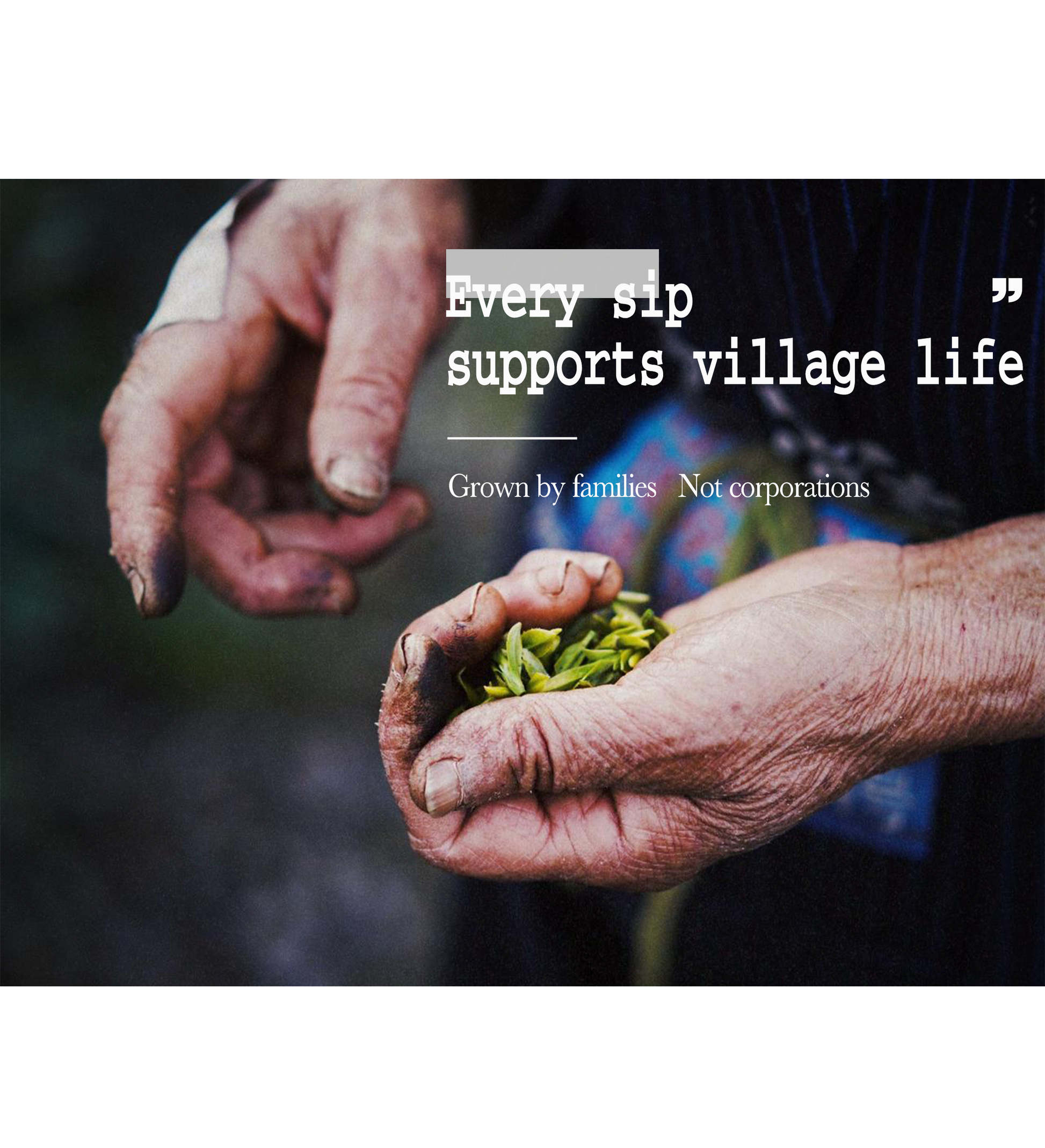
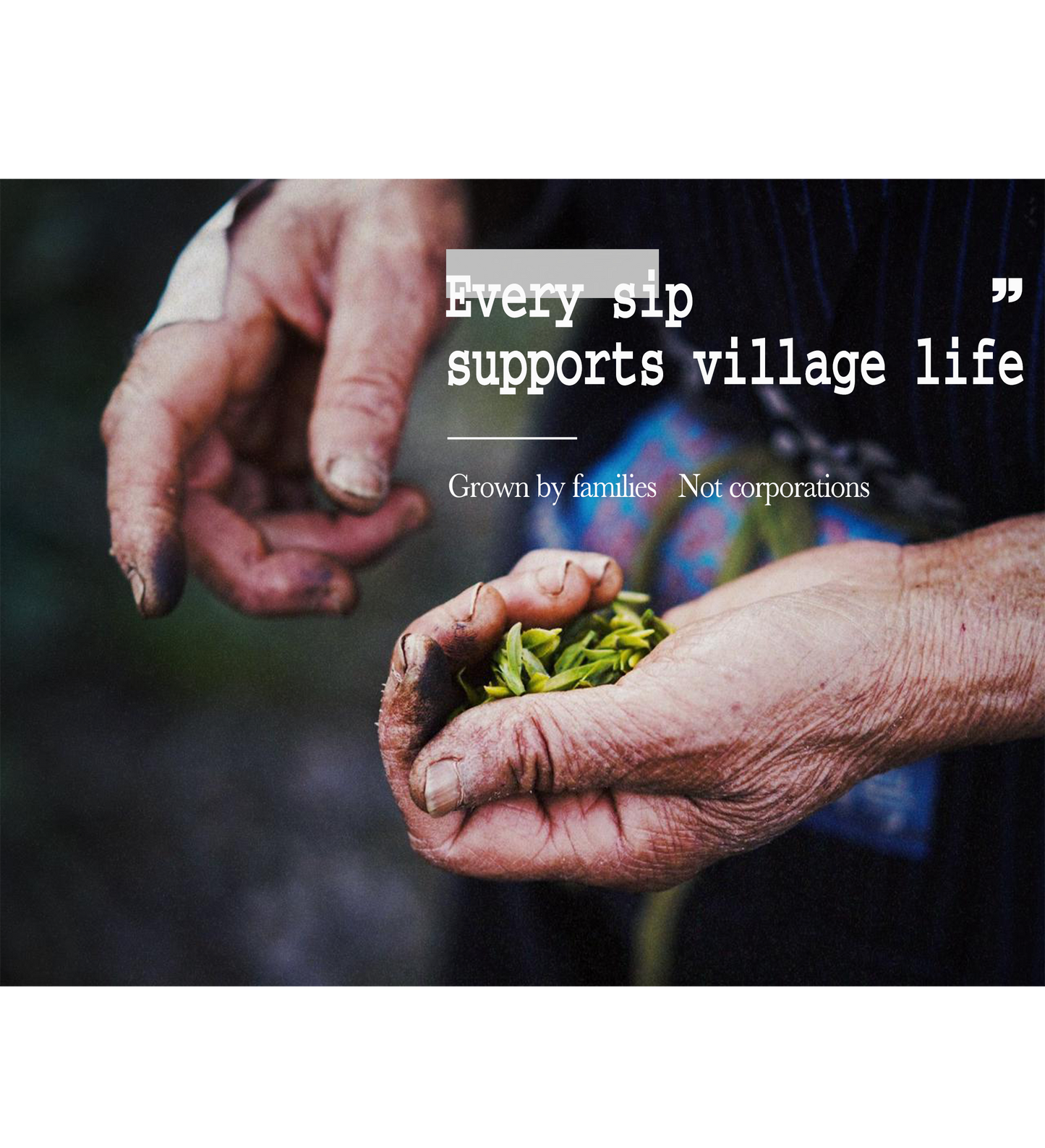
I'm June. This tea comes from our Flowit Garden, high above Wildbrook Village in Enshi, and from the women in our village who pick it leaf by leaf every spring. We grow the way small tea families here always have. By hand, by season, on rainfall, no shortcuts. When you buy this, you are buying it from the person who grew it, not from a chain of traders who never saw the mountain. That is the whole point of what we do.

Finished by my senior in the craft · 30+ years
The leaf is finished by my senior, trained under the same master I studied with, and recognized as one of Enshi Yulu's leading handcraft makers, a prefecture-level inheritor of the craft. This year he extended the resting and hydrolysis stage during processing. Less bitterness, more sweetness, more of that clean umami. A change that sounds small on paper and shows up fast in the cup.
Watch the full handcraft process, from leaf to finish.
Perfect moments for this tea
How to brew
Do not use boiling water. Above 85°C, this tea can turn bitter. If you don't have a thermometer, boil the water first, then let it sit for about 3 minutes before brewing.
Organic, and independently tested
This tea is organic, grown without synthetic pesticides or fertilizers, on mountain rainfall alone. Plenty of tea is sold as "organic" with nothing behind the word, so we had ours tested. This spring's leaf, the same batch you are buying, went to Eurofins, one of the largest food-testing labs in the world, screened for roughly five hundred pesticides using the European reference method (EN 15662). Every one came back non-detect. We can tell you exactly which garden the leaf came from and who made it. Wholesale buyers can ask us for the test summary.