Single-origin tea, direct from the village.
flowinversetea

Regular price $18.00 USD
Regular price Sale price $18.00 USD
Sale Sold out
Shipping calculated at checkout.
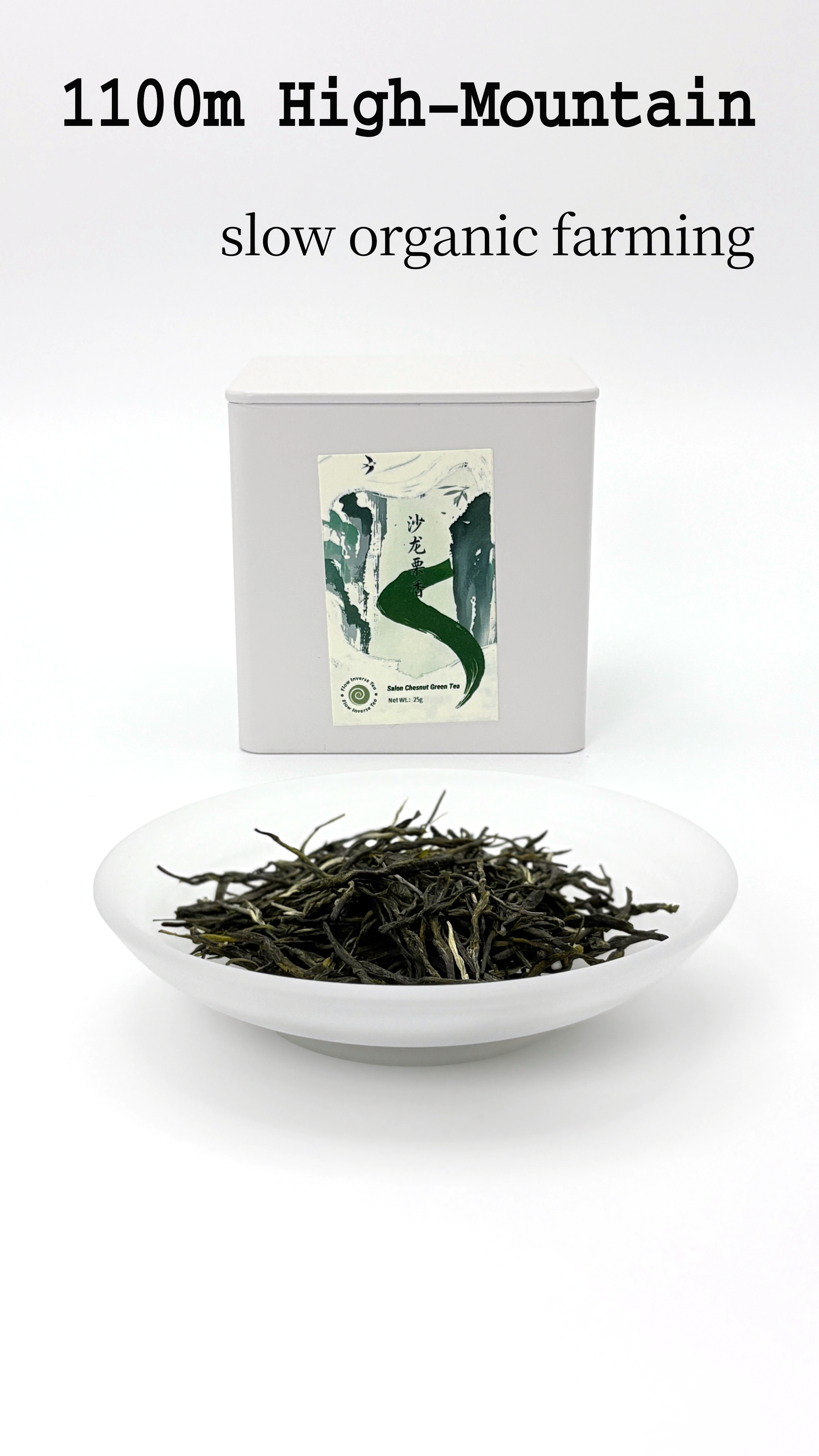
HIGH-MOUNTAIN 1,100 M
SELENIUM-RICH SOIL
ENJOY HOT OR COLD
NATURALLY GROWN
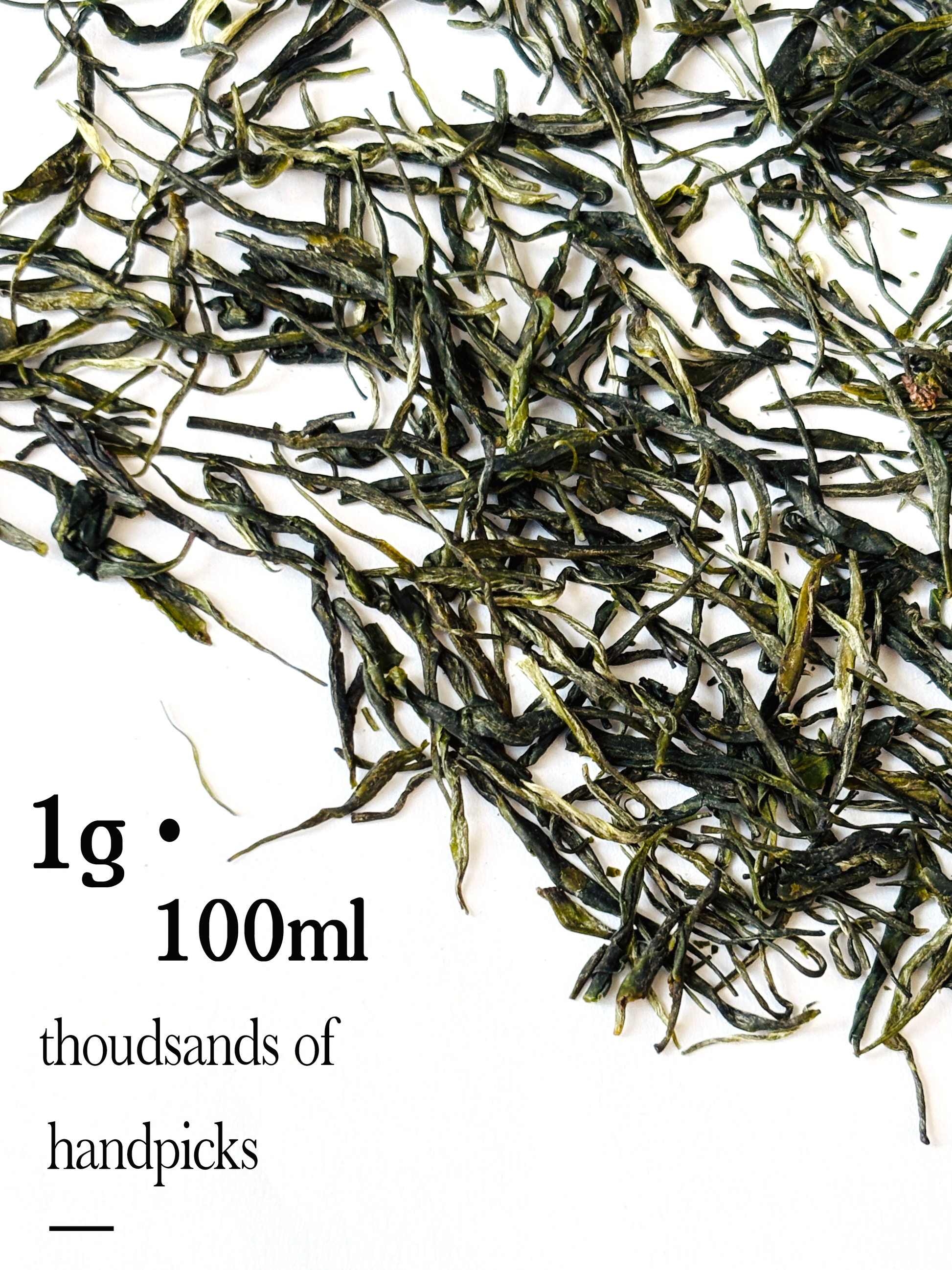
HAND-PICKED
SINGLE ORIGIN
SEASONAL FIRST HARVESTS
PURE · NEVER BLENDED
Weight
Quantity
View full details
🌱 Village Cooperative
🚫 No Pesticides
🤲 Profit Sharing
🤝 Women-Owned

"It starts fresh, then turns warm. That's the whole charm of it."

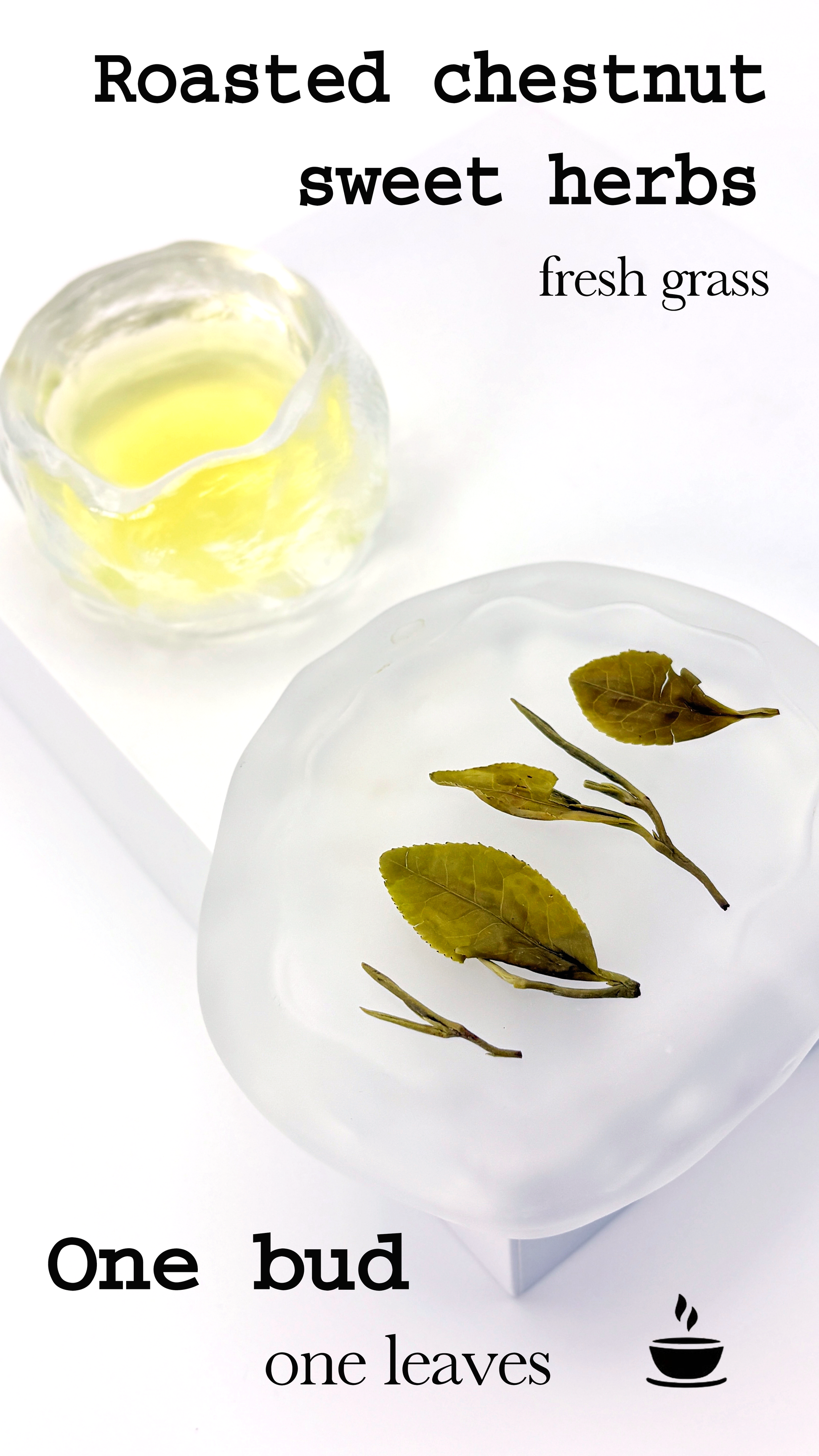
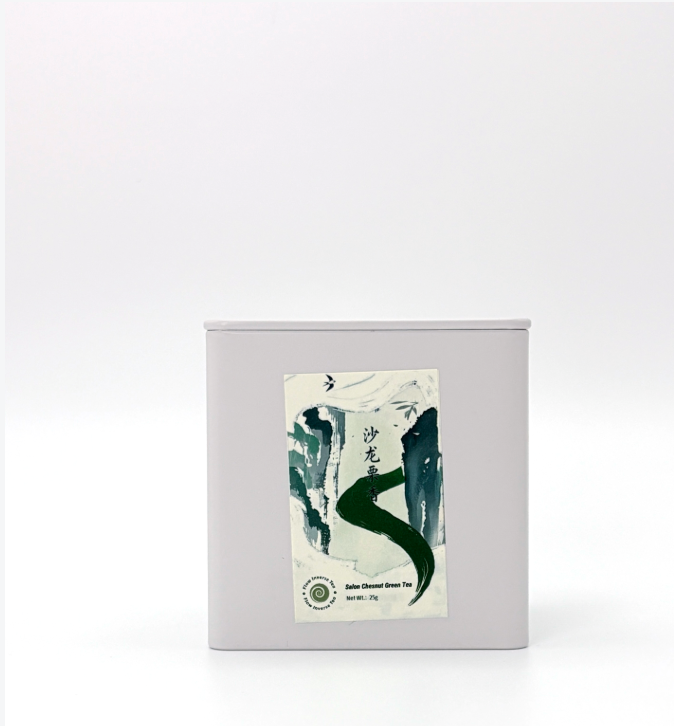
This chestnut green tea feels like early autumn on a hillside. The sun is still warm, but the air has already turned clearer. Underfoot, you get dry grass and clean soil. Something green and fresh moves through the air first. Then the chestnut note starts rising. Warm, sweet, lightly nutty, like someone nearby is still stirring roasted chestnuts in a hot pan. After that, the tea softens. A little milkiness. A little stone-washed clarity.

Flavor profile

Roasty
90%
Vegetal
80%
Floral
80%
Sweetness
70%
Astringent
50%

What happens in the cup

First steep

Opens warm. Roasted chestnut, sweet and full. Then the greener side shows through: fresh grass, a light floral lift, a soft milky note with a clear mineral edge. Smooth, fine, clean, with a rounded body.

Second steep

Shifts away from obvious chestnut sweetness. Dewy grass comes forward with a cool, clove-like floral note. The roasted chestnut is cleaner now, the middle feels like grass with morning dew. More awake than the first.

Third steep

The floral side leads more clearly. Cool, almost like clove blossom in clean air. Chestnut is lighter, sitting behind the dewy grass. The finish stays mineral and clear, with sweetness closer to rock sugar than roast.

Who grew this tea

Wildbrook Cooperative

Wildbrook Cooperative

The garden sits in Mazhe Mountain's ecological area in Tunbao Township, Enshi, at around 1,100 meters elevation, in classic karst terrain. The soil is selenium-rich, and most of the bushes are Enshi local seed-grown Taizi tea. This area has been one of Enshi's important tea-producing regions since 1975, and was one of the earlier organic tea-growing areas in the region.

Perfect moments for this tea

🚪
Right after coming in from outside
You still have a little wind on you, your hands are cool. The first sip brings in that clean green note and settles your breathing. Then the chestnut warmth starts spreading out underneath.
🧠
When your mind feels scattered
Not tired exactly. Just unfocused. The opening green aroma straightens things out. The mineral finish and light astringency draw you inward. You just feel more gathered than you did ten minutes ago.
🍬
When you want sweet but not dessert
The chestnut sweetness and light milky note give you comfort. But the finish stays clean, mineral, slightly drawing in. You get the satisfaction without the heaviness.

How to brew

3g
Leaf
3g per 150ml
75°C
Water
75°C / 170°F
2m
Steep
2 minutes
Resteep
3–4 times, +10–20s each

A glass cup or white porcelain vessel works well here. Keep the water around 75°C to bring out the chestnut sweetness and light milky feel while avoiding bitterness. For a brighter cup, shorten the first steep. For more body, let it go slightly longer.

Specifications

HarvestMay 2026
Elevation1,100m
CultivarEnshi local cultivar
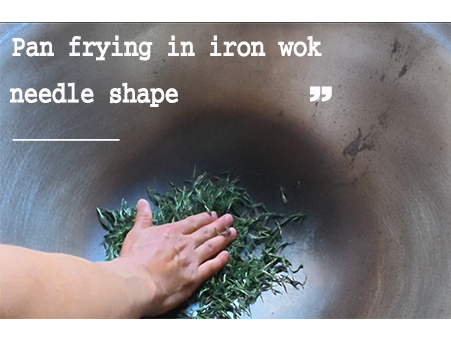
ProcessingWithering-spread → Kill-green → Rolling → Refiring
FarmingNaturally grown, no fertilizer, no chemicals, nourished by natural rainfall
GardenMazhe Mountain, Tunbao Township, Enshi, Hubei, China
Cups per 50g~16 cups (3g per session)
Caffeine25–40 mg / 200ml

Common questions

Does this tea really taste like chestnuts?+
Yes, and it's one of the most recognizable things about this tea. It's not the sugar-roasted-chestnut kind of sweet. More like a natural, clean roasted chestnut aroma with a nutty warmth. It comes together with the grassy freshness, floral lift, and mineral finish as one connected flavor.
How is this different from Enshi Yulu?+
Both are green teas, but they go in very different directions. Enshi Yulu is all about umami (seaweed, nori, butter, sweet corn) with a distinctive "steamed green tea" identity. Chestnut Green Tea leans toward roasted chestnut, fresh grass, a milky roundness, and mineral notes. It's gentler, warmer, and more on the "nutty green tea" side of things.
Will this tea be bitter or astringent?+
Not with normal brewing. There's a layered, gentle astringency that's part of the mouthfeel. It gives the tea shape. Keep the water around 75°C, not too hot. At that temperature, the chestnut sweetness and light milky feeling come forward while bitterness stays out.
When is the best time to drink this?+
It works especially well when you want to settle yourself: right after coming in from outside, when your mind feels scattered, or when you're craving something sweet but don't want actual dessert. The opening is fresh and bright, and the chestnut warmth that follows makes you feel grounded again.
$18.00